
An animal community is a network of people united by their dedication to protecting, rescuing, and improving the lives of animals in need. These communities bring together volunteers, foster families, donors, shelter staff, and advocates who work side by side to give homeless pets a second chance. What makes them extraordinary isn’t just the number of animals they help, but the connections they forge between people who believe every creature deserves compassion and care.
You’ll find animal communities wherever there’s a group committed to making a difference. They operate through local shelters, rescue organizations, online networks, and grassroots movements. Some focus on specific breeds or species, while others welcome all animals who need help. The common thread is simple: ordinary people choosing to take action.
These communities transform lives in both directions. A shy dog finds confidence through a patient foster family. A first-time volunteer discovers a sense of purpose they didn’t know they were missing. An adopter gains a loyal companion who changes everything about coming home at the end of a long day. The stories multiply because the work is relational, built on trust and shared values rather than transactions.
Getting involved is more accessible than most people realize. Whether you have two hours a month or can commit to fostering, there’s a role that fits your life. The animal community isn’t an exclusive club. It’s an open door, waiting for anyone ready to step through and discover what happens when compassion meets action.
What Makes an Animal Community Different
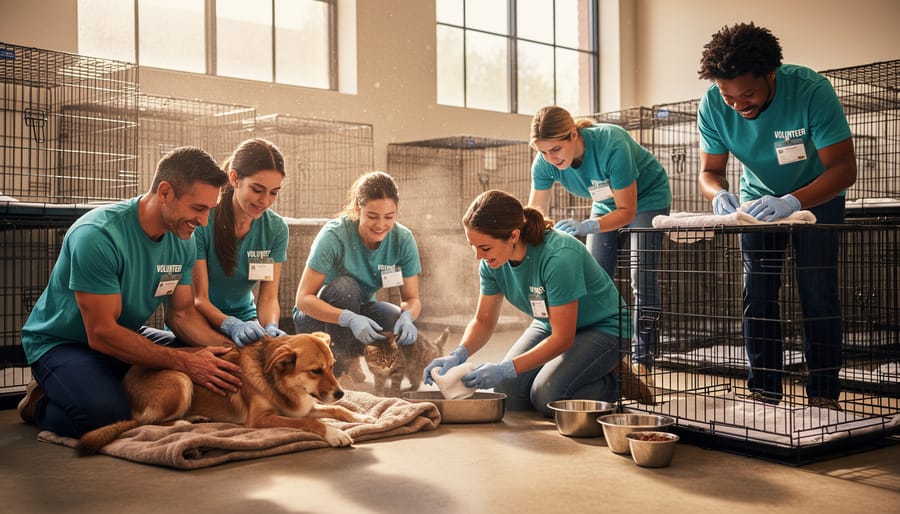
Animal communities operate on a fundamentally different premise than typical volunteer organizations. While many worthy causes rely on scheduled shifts and task-based contributions, animal communities ask for something deeper: your heart. The work isn’t confined to tidy two-hour blocks. A foster kitten doesn’t pause her 3 a.m. feeding needs because it’s inconvenient, and a frightened dog arriving at intake doesn’t schedule his fear for business hours.
This around-the-clock reality creates an unusual intimacy among participants. You’re not just showing up to help, you’re opening your home, rearranging your schedule, and sometimes making difficult decisions alongside people who understand exactly what you’re going through. When your foster dog finally trusts you enough to sleep without trembling, you text photos to three other fosters who’ve been cheering you on. When an adoption falls through, someone who’s been there brings you coffee and reminds you that the right family is still out there.
The collaborative problem-solving happens organically. Someone mentions needing a crate for an incoming dog, and within minutes, three people offer to coordinate pickup and delivery. A cat requires expensive dental surgery, and the community brainstorms fundraising ideas while someone else researches veterinary grants. This isn’t formal project management, it’s people who care finding solutions together because the alternative is unthinkable.
What truly sets these communities apart is the emotional authenticity. Nobody pretends the work is always joyful. You celebrate adoptions together and cry over the ones you couldn’t save. You admit when you’re overwhelmed, and someone steps in without judgment. The animals teach vulnerability, and that honesty creates bonds that extend far beyond the rescue work itself.
The Heart of Community: Volunteers Who Make It Happen
Every animal community runs on the dedication of people who show up, day after day, to do work that’s often invisible but always essential. Rescue volunteers fill dozens of different roles, each one critical to transforming scared, abandoned animals into confident, adoptable pets.
Foster families open their homes to animals who need time to heal, decompress, or simply learn what love feels like. They’re the ones administering medications at 3 a.m., celebrating first tail wags, and sending tearful goodbye texts when their foster graduates to a forever home. Meanwhile, transport coordinators orchestrate complex relay systems, driving animals from overcrowded shelters to rescue partners or connecting adopters who live hours away with their perfect match.
Behind the scenes, fundraisers dream up creative campaigns to keep operations running. They organize bake sales, virtual auctions, and sponsored walks, turning community enthusiasm into the resources that pay for surgeries, food, and shelter maintenance. Social media managers craft the posts that tug at heartstrings and boost adoption rates, pairing the right photo with just the right words to help a shy cat or overlooked senior dog finally get noticed.
Event organizers bring the community together at adoption fairs, educational workshops, and celebration gatherings where supporters can see the impact of their collective efforts. Administrative volunteers handle the paperwork, schedule appointments, and maintain databases that keep everything running smoothly.
What connects all these roles is something deeper than task completion. Volunteers consistently describe discovering unexpected friendships, developing skills they didn’t know they had, and feeling part of something that matters. A graphic designer who started making flyers finds purpose. A retiree coordinating transports finds connection. The work changes the animals, yes, but it quietly transforms the volunteers too.
Building Connections: How Animal Communities Strengthen Human Bonds
When Sarah first walked into a volunteer orientation after her divorce, she expected to help some animals. What she didn’t expect was finding her closest friends and a support system that understood her without judgment. That’s the hidden gift of animal communities, they connect people as much as they help pets.
Working side by side to bottle-feed kittens or build outdoor cat enclosures creates natural friendships. There’s something about shared purpose that breaks down the usual social barriers. Conversations flow easily when you’re cleaning kennels together or coordinating transport runs. Many volunteers describe their animal community as the place they finally feel they belong, where their compassion isn’t seen as weakness but celebrated as strength.
For people experiencing loneliness, whether from relocation, retirement, loss, or simply the isolating pace of modern life, these communities offer genuine connection. A retired teacher finds purpose mentoring new fosters. A shy college student gains confidence coordinating adoption events. A grieving widow channels her heartbreak into helping animals who’ve also lost their families. Everyone contributes something unique, and everyone matters.
The skills people develop surprise them. A volunteer who’s terrified of public speaking becomes comfortable hosting fundraisers. Someone who’s never used social media learns to create compelling adoption posts. These aren’t just resume builders, they’re confidence builders that ripple into other areas of life.
The celebration moments bond people forever. When a long-term foster finally finds his perfect family, the whole community cheers. When fundraising efforts save a dog needing emergency surgery, volunteers feel the collective win. These shared victories create ties stronger than casual friendships because they’re built on something meaningful, lives saved together.
From Rescue to Forever Home: The Community Journey
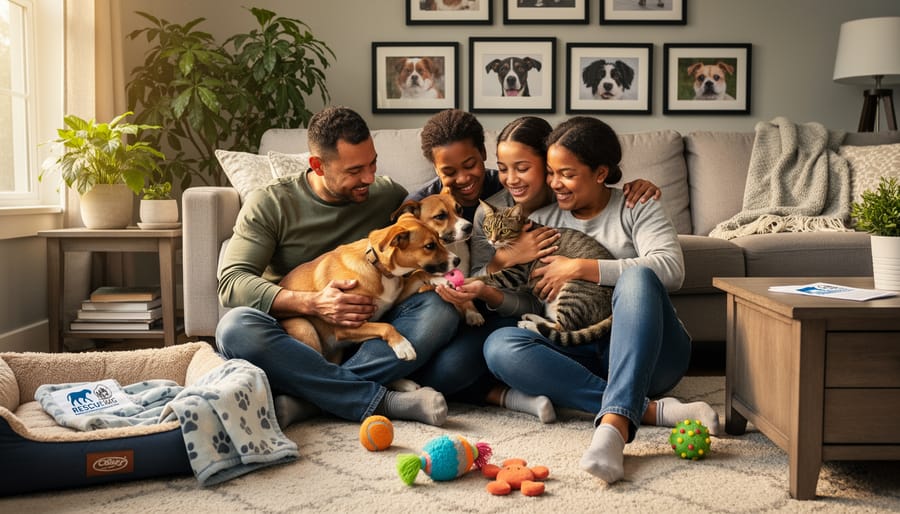
Every rescued animal’s story unfolds through a series of caring hands, each person playing a vital role in the transformation from frightened stray to beloved family member. What might look like a simple adoption is actually an intricate dance of community cooperation, where trust and timing matter just as much as resources.
The journey typically follows these collaborative stages:
- Initial rescue and intake, where volunteers assess the animal’s immediate needs and arrange emergency medical care if required.
- Veterinary evaluation and treatment, often funded by community donations and performed by partner clinics willing to work with rescue groups.
- Foster placement with trained families who provide a home environment, socialization, and behavioral observation that shelters simply can’t offer.
- Training and enrichment, where volunteers work one-on-one to address fears, build confidence, and prepare the animal for life in a permanent home.
- Adoption screening and matching, connecting potential adopters with animals whose needs align with their lifestyle and experience.
- Post-adoption support, ensuring families have resources, guidance, and a safety net if challenges arise.
This process might take weeks or months, saving lives one foster at a time while building relationships between people who’ve never met but share the same goal. A transport coordinator drives three hours to move a dog from an overcrowded shelter to a foster home. A foster family sends daily updates to the medical team. A trainer volunteers weekend sessions so a shy cat learns that human touch means safety, not fear.
When someone decides to adopt a dog from a community rescue, they’re not just gaining a pet, they’re inheriting the collective wisdom and care of dozens of people who invested themselves in that animal’s recovery. The adoption counselor knows which foster parent discovered the dog loves squeaky toys. The vet tech remembers how scared he was during his first exam, and how brave he became. Every detail gets passed forward, creating continuity of care that helps both pet and adopter succeed together.
Supporting Pet Owners: A Community Resource
Animal communities recognize that keeping pets in their homes prevents the heartbreak of surrender and reduces shelter strain. That’s why many extend their mission beyond rescue to create supportive networks for current pet owners navigating challenges.
Training programs offer one of the most valuable resources. Whether a family struggles with a puppy who hasn’t mastered housebreaking or an older dog developing anxiety, community-led classes provide affordable guidance. These sessions connect owners with experienced trainers and fellow pet parents facing similar issues, transforming frustration into manageable solutions.
Temporary boarding services fill critical gaps when owners face medical emergencies, housing transitions, or family crises. Instead of rushing to surrender a beloved pet during a difficult moment, owners can access short-term foster care through the community network. This breathing room often makes the difference between keeping a family together and permanent separation.
Educational resources address everything from basic nutrition to managing medical conditions on a budget. Community members share recommendations for affordable veterinary care, demonstrate grooming techniques, and offer practical advice about behavior changes that might signal health concerns.
The judgment-free environment matters most. Pet owners struggling with challenges often hesitate to seek help, fearing criticism or having their animals taken away. Animal communities approach these conversations with compassion, understanding that most people deeply love their pets and simply need support to overcome temporary obstacles. This preventive approach strengthens both human-animal bonds and community resilience, ensuring pets stay in loving homes where they belong.
How to Become Part of Your Local Animal Community
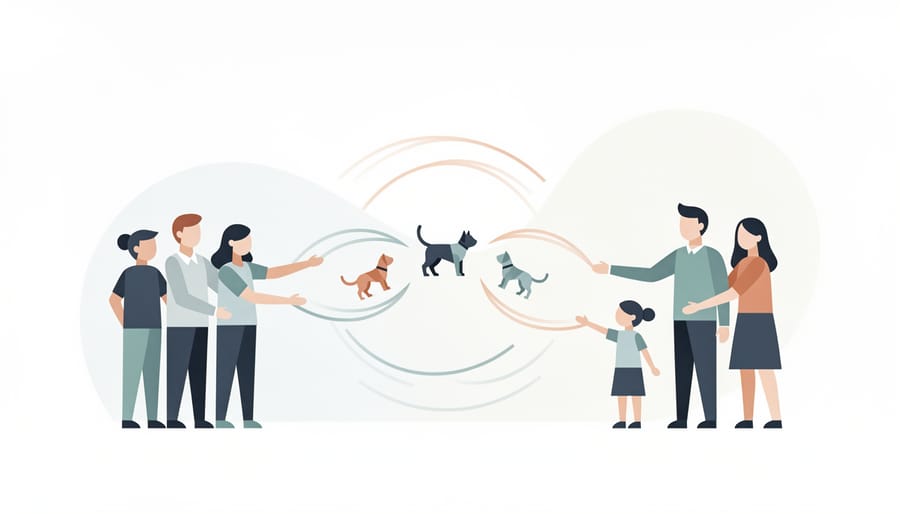
Getting involved in your local animal community is easier and more welcoming than you might think. The beauty of these communities is that they genuinely need all kinds of contributions, whether you have two hours a week or two days a month, a spare bedroom or just a social media account. Start by researching volunteer opportunities at shelters and rescue organizations near you, most maintain active websites listing current needs and upcoming orientation sessions.
If you’re not ready to commit to regular volunteering, you can still make a meaningful difference. Attend adoption events and fundraisers to learn about the organization’s work and meet the people behind it. Follow local rescues on social media and share their posts about adoptable animals, your network might include someone’s future best friend. Donate supplies from their wish lists, which often include everyday items like towels, blankets, cleaning products, and pet food.
Do I need previous experience with animals to volunteer?
No prior experience is necessary. Most organizations provide training and match you with roles that fit your comfort level and skills.
What if I can’t foster but still want to help animals directly?
Consider volunteering for transport runs, assisting at adoption events, or helping with enrichment activities like dog walking or cat socialization at the shelter.
How much time do I need to commit?
Time commitments vary widely by role. Some positions need just a few hours monthly, while others like fostering require daily care but flexible duration.
The most important step is simply reaching out. Animal communities welcome new members with open arms because they understand that passion matters more than expertise. You’ll discover your niche as you go, and you’ll find people eager to support your journey as much as you’re supporting theirs.
Animal communities remind us that compassion multiplies when shared. Every volunteer hour, foster home, donation, and adoption story adds to a growing wave of kindness that transforms lives, both animal and human. You don’t need special credentials or unlimited free time to make a difference. What matters is showing up with an open heart.
The beauty of these communities lies in their collective strength. When one person offers a temporary foster placement, another provides transport, and someone else shares an adoption post, a life gets saved. These small acts weave together into something extraordinary: a safety net for vulnerable animals and a support system for people who care deeply.
Whether you have space for a foster pet, time to volunteer at events, or simply want to connect with others who understand the pull you feel toward animal welfare, there’s a place for you. Your local animal community is waiting, not just to welcome you, but to show you how fulfilling it feels to be part of something larger than yourself.
The animals need us, yes. But we need each other too. Join the community, and discover what happens when compassion becomes contagious.