A pet adoption organization connects homeless animals with loving families through a volunteer-driven model that goes far beyond the traditional shelter experience. These nonprofits typically operate without physical facilities, relying instead on a network of foster homes where animals receive individualized care, behavioral assessment, and socialization before adoption. Unlike municipal shelters that must accept every animal regardless of capacity, adoption organizations like Lincoln Pet Volunteers carefully match each pet’s needs with available resources, often specializing in animals with medical challenges or those requiring extra time to find the right home.
What makes these organizations distinctive is their comprehensive approach to animal welfare. Volunteers handle everything from rescue coordination and veterinary care to adoption counseling and post-placement support. Many groups, such as Pick of The Litter Animal Rescue in West Virginia, operate as 501(c)3 nonprofits powered entirely by community members who open their homes and hearts to animals in transition. This foster-based system allows dogs and cats to thrive in home environments where volunteers can observe their true personalities, making it easier to find compatible forever families.
Whether you’re ready to adopt, looking to volunteer, or simply want to support the mission, understanding how these organizations work helps you engage meaningfully with a movement that’s transforming lives one wagging tail at a time.
What Makes a Pet Adoption Organization Different
When you think of pet rescue, you might picture overcrowded shelters with rows of kennels or small rescue groups focusing on specific breeds. Pet adoption organizations operate differently. These groups blend the best aspects of both models while building something more comprehensive.
The foundation of most pet adoption organizations is their volunteer-driven structure. Unlike municipal shelters with paid staff and facilities, organizations like Pick of The Litter Animal Rescue, a 501(c)3 volunteer-based non-profit, rely entirely on community members who open their homes and donate their time. This isn’t just about saving money. Volunteers bring genuine passion and personal investment to every aspect of the work, from intake decisions to follow-up support.
That volunteer energy powers the foster-based approach that sets these organizations apart. Instead of housing animals in kennels or facilities, pets live in actual homes with foster families. This means a dog learns to navigate stairs, relax on a couch, and interact with children in a real-world setting. A cat discovers whether it prefers quiet corners or sunny windowsills. Foster families observe behaviors and quirks that no shelter environment could reveal.
But what truly distinguishes modern pet adoption organizations is their commitment to the entire journey. They don’t just match pets with people and hope for the best. Many offer training programs that help dogs and their new families build strong foundations. Some provide boarding services that support adopters through transitions or emergencies. The goal isn’t simply to place animals, it’s to create lasting bonds that keep pets in their forever homes. This comprehensive approach recognizes that successful adoption requires more than a single good match. It demands ongoing support, education, and resources that strengthen the human-animal connection over time.
The Foster-Based Approach: Why It Works
Love and Training in Real Homes
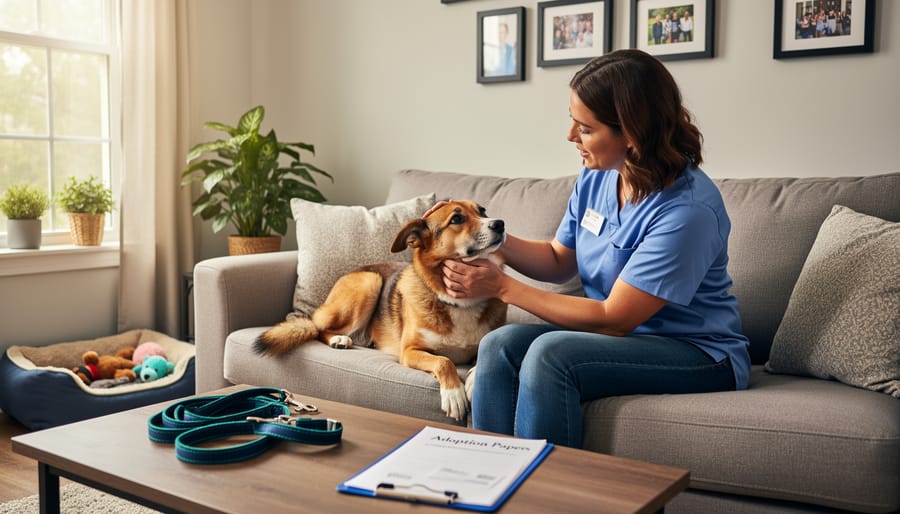
When a rescued animal enters a foster home, something remarkable begins. Instead of adapting to kennel routines and shelter noise, they discover what normal life feels like, soft beds, regular mealtimes, and the gentle rhythm of a household. Foster families give each pet the gift of time and individual attention that no facility, no matter how well-run, can fully replicate.
This personalized environment becomes the foundation for real transformation. A dog who cowered at sudden movements learns that hands offer treats, not harm. A cat who hid under furniture for days gradually ventures out to investigate sunbeams. Foster parents work on basic house training, teach leash manners, and introduce pets to everyday experiences like doorbells and vacuum cleaners. They note which dogs love children, which cats prefer quiet homes, and which animals need extra patience with strangers.
The impact shows in the numbers. Research on foster adoption success factors confirms that animals who spend time in home environments before adoption adjust more quickly to their permanent families and experience fewer behavioral setbacks. Foster care doesn’t just prepare pets for adoption, it heals them, one ordinary day at a time.
Better Matches Through Foster Insights
Foster families spend weeks or months observing pets in everyday situations that reveal their true personalities. Does the dog get anxious when left alone, or does she settle calmly with a chew toy? Is the cat skittish around children, or does he seek out their attention? These real-world observations create a detailed picture that no shelter evaluation can match.
When foster families live alongside animals, they notice the small details that matter enormously for compatibility. They discover that a dog who seems energetic actually just needs two good walks and then becomes a perfect couch companion. They learn which cats thrive with other pets and which prefer being solo royalty. They identify triggers for past trauma and the strategies that help pets feel secure.
This intimate knowledge lets organizations match pets with families whose lifestyles genuinely fit. Instead of guessing based on breed or appearance, foster insights guide adopters to animals whose actual needs and quirks align with what they can offer. The result is fewer returned adoptions and more pets who find their forever homes on the first try.
Understanding the Adoption Process
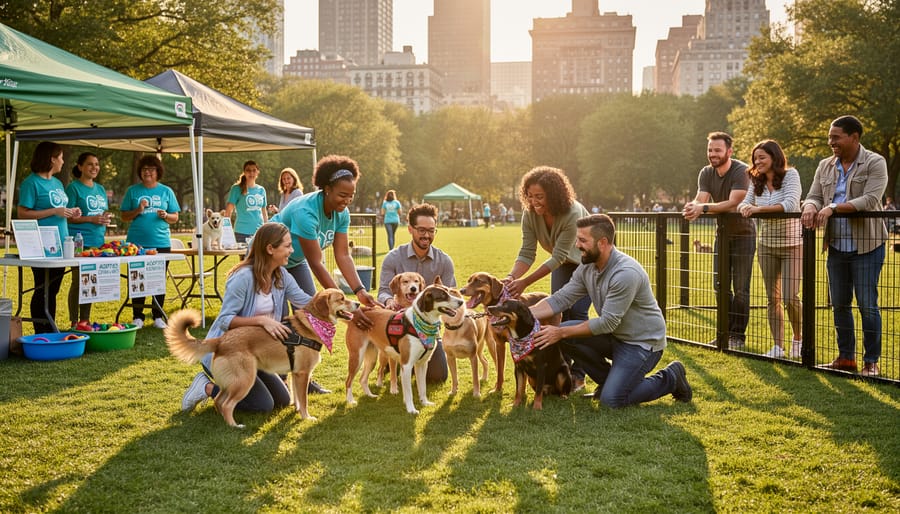
The adoption process through a pet adoption organization is designed to protect both you and your future companion. While it might feel more thorough than simply picking out a pet, each step exists to create matches that last a lifetime.
Here’s what typically happens from your first contact through bringing your new friend home:
- Submit an application that asks about your living situation, experience with pets, household members, and what you’re looking for in a companion
- Speak with an adoption coordinator who reviews your application and discusses which animals might fit your lifestyle
- Meet potential pets, often in foster homes where you can see them in a relaxed environment rather than a kennel setting
- Complete a home visit where volunteers check that your space is safe and suitable for the specific animal you’re interested in
- Finalize the adoption with paperwork, fees, and collecting all medical records and care instructions
- Receive follow-up support during the adjustment period, with many organizations checking in after a few weeks
The questions and requirements aren’t meant to discourage you. Foster families and coordinators have spent weeks learning each animal’s quirks, fears, and preferences. They’re matching personalities, not just finding any available home. A dog who thrives with an active family might struggle in a quiet apartment, while a shy cat who needs patient owners could blossom with the right match.
Most organizations maintain contact after adoption day. You’ll have someone to call when your new dog refuses to eat for the first two days (completely normal) or your cat hides under the bed (also normal). This ongoing support reflects the volunteer-driven model, these aren’t transactions, but relationships built around animal welfare.
Expect the process to take days or even a couple of weeks. The wait ensures you’re bringing home a companion whose needs align with what you can offer, setting both of you up for years of happiness together.
Services That Support the Whole Pet Community
Training Programs That Set Pets Up for Success
Training programs offered by pet adoption organizations serve a dual purpose that extends far beyond basic obedience. For newly adopted pets, these classes help ease the transition into their forever homes by addressing common challenges like leash pulling, jumping, or anxiety in new environments. Foster families often share insights about a pet’s specific quirks, maybe Luna freezes at the sight of skateboards, or Max gets overly excited when the doorbell rings, and trainers can build on that knowledge with targeted strategies.
What makes these programs special is their accessibility to the entire pet community. You don’t need to have adopted from the organization to benefit. Local pet owners struggling with behavioral issues can enroll, which creates two wins: their dogs get professional help, and the training fees support the organization’s rescue work. Classes typically emphasize positive reinforcement methods that strengthen the bond between pets and their people rather than relying on punishment-based techniques.
Many organizations also offer specialized sessions for reactive dogs or pets with anxiety, recognizing that some animals need extra patience and a gentler approach. This comprehensive support system means fewer pets end up returned or surrendered because their families have somewhere to turn when challenges arise.
Boarding and Additional Care Options
Many pet adoption organizations have discovered that offering boarding services creates a win-win situation for everyone involved. When you board your pet with an organization like Lincoln Pet Volunteers, you’re not just finding quality care for your dog, you’re directly supporting their rescue mission. The fees from boarding services help fund medical care, supplies, and operational costs that keep more animals safe while awaiting adoption.
For recent adopters, these boarding options provide peace of mind during the adjustment period. If you need to travel for work or face an unexpected situation shortly after bringing your new pet home, you can board them with people who already know their history and personality. The staff understands any quirks or anxieties your pet might have, creating continuity of care during a vulnerable transition time.
This practical service strengthens the bond between organizations and their communities. Pet owners who may not be ready to adopt or foster can still support rescue work simply by choosing where they board their dogs, turning an everyday need into meaningful contribution.
How These Organizations Prioritize Animal Welfare

Every pet that comes through an adoption organization’s doors deserves a thoughtful evaluation, not just a quick once-over, but a comprehensive assessment that considers their whole story. These organizations look beyond surface-level traits to understand each animal’s medical needs, behavioral history, and personality quirks. The goal isn’t to judge whether an animal is “adoptable enough,” but rather to determine what kind of support they’ll need to thrive.
Special needs cases often move to the front of the line. An organization might prioritize a senior dog with diabetes or a cat recovering from a traumatic injury over healthier animals, because these vulnerable pets face the greatest risk without intervention. Volunteers and foster families work closely with veterinarians to create care plans that address both immediate medical concerns and long-term wellness. This commitment to the hardest cases defines what makes these groups different from standard shelters working under capacity constraints.
The hardest decisions involve safety. When an animal displays aggression that poses genuine danger to people or other pets, organizations must weigh rehabilitation possibilities against community welfare. Some groups openly acknowledge they cannot accept animals with severe behavioral issues that exceed their training resources. It’s a heartbreaking reality, but one that protects both the organization’s ability to help other animals and the safety of adopters and volunteers.
This decision-making framework requires constant communication about what volunteers do behind the scenes, assessing animals daily, consulting with trainers, tracking behavioral progress, and advocating for each pet’s best outcome. The transparency around these difficult choices builds trust with supporters who understand that thoughtful welfare decisions sometimes mean saying no to ensure quality care for every animal the organization accepts.
The Volunteers Who Make It All Possible
Behind every successful pet adoption organization stands an extraordinary network of dedicated volunteers who transform compassion into action. These individuals form the heartbeat of rescue work, filling dozens of essential roles that keep animals safe, healthy, and moving toward their forever homes.
The diversity of volunteer opportunities means there’s truly a place for everyone. Some volunteers become foster parents, opening their homes to animals who need temporary care. Others handle adoption applications, conduct home visits, or staff weekend adoption events where potential families meet available pets. Behind the scenes, volunteers manage social media accounts that showcase adoptable animals, coordinate transport runs between foster homes and veterinary appointments, and organize fundraising campaigns that keep operations running.
Organizations like Pick of The Litter Animal Rescue, a 501(c)3 volunteer-based nonprofit, demonstrate how entirely volunteer-driven groups can make substantial community impact. Without paid staff, these teams rely on people who bring professional skills alongside their passion. A retired teacher might lead training classes. An accountant volunteers financial expertise. A photographer donates time capturing the perfect adoption photos that help pets find families.
What binds these volunteers together isn’t just love for animals. It’s the shared experience of watching a scared shelter dog blossom in foster care, or seeing an adopter’s face light up when they meet their new companion. That collective joy, built through countless small acts of service, creates a community spirit that sustains rescue work through challenges and celebrates every success together.
How You Can Get Involved
Supporting a pet adoption organization doesn’t require a complete lifestyle overhaul. Whether you have five minutes or five hours to give, there’s a meaningful way to help animals in your community find their forever homes.
The most direct path is adoption itself. If you’ve been considering adding a pet to your family, reach out to your local adoption organization. You’ll work with volunteers who know each animal’s personality and can help you find the right match. Remember that the application process exists to set everyone up for success, not to create barriers.
Fostering offers incredible impact if you can’t commit to permanent adoption. Organizations desperately need temporary homes where animals can decompress, heal, and learn what it feels like to be loved. Some foster families keep pets for weeks while they await adoption, while others provide short-term care during medical recovery or between events. You’ll receive guidance and support throughout the process.
Beyond opening your home, countless other opportunities exist:
- Volunteer at adoption events, helping showcase pets to potential families
- Transport animals to vet appointments or foster homes
- Donate supplies like food, bedding, toys, and cleaning products
- Share adoptable pets on social media to expand their reach
- Attend fundraising events or organize donation drives
- Sponsor a specific animal’s medical care or boarding costs
Even small gestures create ripples. Following your local organization on social media and sharing their posts introduces adoptable pets to new audiences. Recommending them to friends considering adoption expands their network of potential forever homes.
Contact organizations directly to learn what they need most right now. Needs shift seasonally and as specific situations arise, so the most helpful contribution today might surprise you.
Every day, pet adoption organizations across the country are changing lives, not just for the animals who find loving homes, but for the volunteers who give their time, the foster families who open their hearts, and the communities that rally around a shared mission of compassion. These organizations don’t just move animals from one place to another. They create support systems, build connections, and ensure that every pet has a genuine shot at a happy, lasting home.
You don’t need to transform your entire life to make a difference. Start small: attend a local adoption event, share a post about a pet waiting for a home, or donate supplies to a foster family. Maybe you’ll realize fostering fits your schedule better than you thought, or that walking dogs on Saturday mornings fills something you didn’t know was missing. The beauty of volunteer-driven organizations is that they run on countless small contributions, and yours, whatever form it takes, genuinely matters. One action, however modest, ripples outward in ways you might never fully see but that change everything for a single animal waiting for someone to believe in them.