Adopting a dog in Edmonton means connecting with local rescue organizations and shelters, filling out an application, meeting potential matches, and completing a home check before bringing your new companion home. The process typically takes one to three weeks from your first inquiry to adoption day, and most Edmonton organizations will guide you through each step to ensure both you and your dog are set up for success.
Right now, hundreds of dogs across the city are waiting in foster homes and shelters for families who will love them. These aren’t just puppies, though you’ll find those too. Senior dogs with calm, gentle temperaments. Active young adults who need space to run. Small breeds perfect for apartments. Large, goofy mixed breeds who just want someone to throw a ball. Every dog has a story, and Edmonton’s rescue community works tirelessly to match each one with the right home.
The beauty of adopting locally is that you’re not just gaining a pet. You’re supporting organizations that rescue dogs from overcrowded shelters, provide medical care, and work with foster families who can tell you whether a dog is good with cats, loves kids, or needs a quieter environment. You’ll have support after adoption too, with many groups offering training resources and answering questions as you settle in together.
This guide walks you through everything you need to know: which Edmonton organizations are currently placing dogs, what paperwork and preparation you’ll need, how to choose the right match, and what to expect in those first crucial weeks at home. Whether you’ve been planning this for months or the idea just sparked yesterday, you’re about to discover that adopting a dog in Edmonton is more accessible and rewarding than you might think.
Understanding Dog Adoption in Edmonton
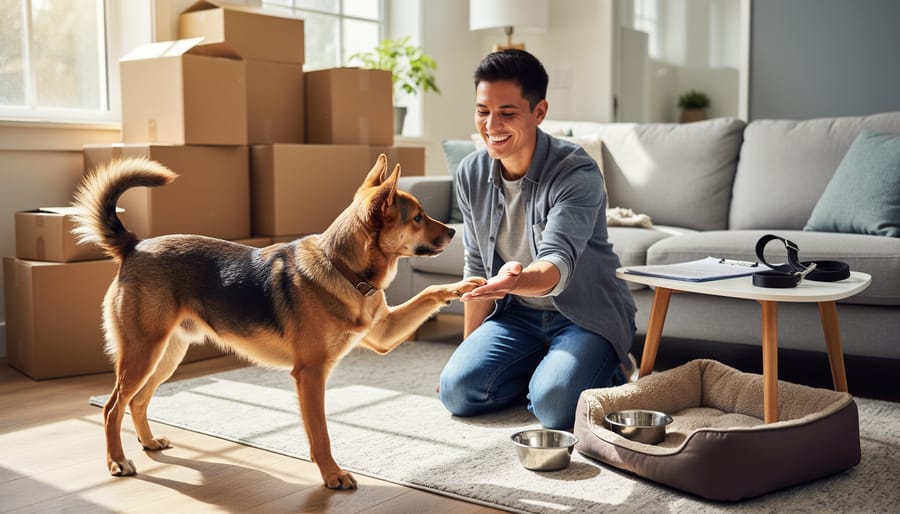
Edmonton’s dog adoption community offers multiple pathways to find your new companion, each shaped by dedicated volunteers and staff who understand that rescue isn’t one-size-fits-all. The city’s rescue landscape includes traditional shelter facilities, foster-based networks, and hybrid models that blend both approaches to serve as many dogs as possible.
Shelter-based organizations like the Edmonton Humane Society operate physical locations where you can visit dogs in person. The Edmonton Humane Society has been advocating for the welfare of animals since 1907, offering daily public hours and on-site adoption services. These facilities typically house dogs in kennel environments, though many have play areas and meet-and-greet rooms where you can spend time getting to know potential matches. Shelter staff assess each dog’s behaviour and health, providing you with detailed information about temperament, medical history, and compatibility.
Foster-based rescues take a different approach. Organizations like Zoe’s Animal Rescue, a volunteer-run, shelterless rescue in Edmonton, place dogs in temporary home environments while they await adoption. This model means you won’t find a central facility to visit, but it offers distinct advantages: foster families observe dogs in real home settings, noting how they react to everyday routines, other pets, and various household situations. That insight helps match dogs to the right families from the start.
What makes Edmonton’s rescue community stand out is its collaborative spirit. Organizations share resources, refer adopters to one another, and celebrate every successful match regardless of which group facilitates it. Volunteers often support multiple rescues, and many adopters discover their perfect dog through word-of-mouth recommendations within this tight-knit network. This community-driven approach means you’re not just adopting from an organization, you’re joining a network of people committed to giving dogs second chances.
What You’ll Need Before Adopting
Before you start browsing adoption profiles, take time to prepare your home and gather what you’ll need. Edmonton shelters and rescues want to see that you’ve thought through the commitment, and having everything ready means a smoother transition when your new companion arrives.
Start by honestly assessing your living situation. Walk through your home or apartment and look for potential hazards: exposed electrical cords, toxic houseplants, cleaning products within reach, or gaps in fencing. If you’re renting, confirm your lease allows dogs and check for breed or size restrictions. Consider your daily schedule, too. Can you provide consistent exercise, bathroom breaks, and companionship? If you’re interested in rearing a puppy remember that young dogs need even more time and patience during their formative months.
Gather essential supplies before adoption day:
- Food and water bowls, plus a two-week supply of quality dog food
- A sturdy collar with ID tag and a leash for walks
- A comfortable bed or crate for a safe sleeping space
- Basic grooming tools like a brush and nail clippers
- Toys for mental stimulation and appropriate chewing
- Cleaning supplies for accidents during the adjustment period
Most Edmonton rescues will ask for identification and proof of residence during the application process. If you rent, you may need a letter from your landlord confirming pet permission. Some organizations request veterinary references if you’ve had pets before, showing you’ve provided consistent care.
Ask yourself the hard questions now. Are you prepared for veterinary costs, including emergencies? Can you commit to training and socialization? What’s your plan if your dog has behavioural challenges or medical needs? Edmonton’s rescues aren’t trying to discourage you with these questions. They want every adoption to succeed, and honest self-reflection before you apply helps match you with a dog who’ll thrive in your specific home and lifestyle.

Edmonton Shelters and Rescues to Know
Edmonton’s dog adoption landscape offers three distinct pathways, each reflecting a different approach to rescue while sharing the same goal: connecting homeless dogs with loving families.
The Edmonton Humane Society has served animals in this city since 1907, making it the longest-standing shelter resource in the region. Today, you’ll find them fully operational from 12 p.m. to 7 p.m. daily, even while their public adoption gallery undergoes renovation. When you adopt a dog through EHS, the fee includes spay/neuter and assessments for every animal. Your new companion comes microchipped through EIDAP and receives a health check from an EHS veterinarian before going home. Every dog completes a behaviour assessment, giving you valuable insight into temperament and any special needs. This comprehensive preparation removes much of the guesswork from adoption and helps prevent mismatches that lead to returns.
Zoe’s Animal Rescue operates differently as a volunteer-run, shelterless organization. Dogs live in foster homes rather than kennels, which means volunteers observe daily behaviour in real home settings. You’ll learn how a dog reacts to doorbells, gets along with children, or handles being left alone during work hours. This model relies entirely on dedicated volunteers who provide foster care support until adoption, so availability fluctuates based on foster capacity rather than facility space.
Lincoln Pet Volunteers also follows a foster-based approach, placing dogs in temporary homes throughout Edmonton while they await permanent families. Beyond adoption services, Lincoln Pet Volunteers offers training programs that continue after you bring your dog home, addressing the reality that adoption is just the beginning of your journey together. This ongoing support helps new owners navigate the adjustment period when challenges arise.
Each organization serves different adopter needs. If you want to meet multiple dogs in one visit and prefer a structured facility experience, EHS provides that consistency. If you value detailed home-behaviour insights and can work around volunteer schedules, foster-based rescues like Zoe’s and Lincoln Pet Volunteers offer deeper preparation for what daily life with your new dog will actually look like.
The Step-by-Step Dog Adoption Process
Step 1: Research and Find the Right Organization
Start by listing the rescue organizations active in your area, then narrow down based on your lifestyle and what you’re looking for in a dog. Edmonton has both shelter-based organizations like the Edmonton Humane Society, which operates a public adoption gallery (currently undergoing renovation but fully open), and foster-based rescues such as Zoe’s Animal Rescue and Lincoln Pet Volunteers, where dogs live in volunteer homes until adopted.
Shelter-based organizations let you visit and meet multiple dogs in one location, which works well if you want to browse and interact with several candidates. Foster-based rescues place dogs in home environments, so volunteers can share detailed insights about how each dog behaves with kids, other pets, or in everyday situations. Consider which model fits your schedule and decision-making style.
Think about what matters most to you: breed, age, size, energy level, or specific temperament traits. Some rescues specialize in certain breeds or focus on senior dogs, while others handle a wide range. Check each organization’s website or social media to see their available dogs and get a sense of their adoption philosophy. If home safety is a priority, look for organizations that provide pet safety tips and thorough behaviour assessments as part of their process.
Step 2: Browse Available Dogs and Gather Information
Most Edmonton adoption organizations post available dogs on their websites with photos and profiles detailing each dog’s age, size, temperament, and known history. Pay close attention to energy levels and compatibility notes, does the listing mention how the dog behaves with children, cats, or other dogs? Look for honesty about needs like separation anxiety or medical conditions. Some rescues include behaviour assessments in their listings; the Edmonton Humane Society completes behaviour assessments for all dogs before adoption, giving you reliable insight into personality. Don’t skip the “special considerations” sections, they often reveal dealbreakers or perfect matches. If a profile sparks genuine interest, contact the organization directly to ask follow-up questions and confirm the dog is still available.
Step 3: Complete the Application Process
Most Edmonton shelters and rescues will ask you to complete an application before meeting dogs. These forms help organizations understand your lifestyle, experience, and what you’re looking for in a companion. You’ll typically answer questions about your living situation (whether you rent or own, if you have a yard, what your home environment is like), your household makeup (who lives with you, including other pets), your activity level, and your experience with dogs.
Be honest and specific in your responses. If you work full-time, explain your plan for exercise and companionship rather than leaving it vague. If you’ve never owned a dog before, that’s okay, share what you’ve learned through research and why you feel ready. Organizations aren’t looking for perfect answers; they’re matching dogs to homes where they’ll thrive. Mentioning any training programs you plan to attend or support systems you have in place shows thoughtfulness. The application is your chance to help the rescue understand not just whether you can care for a dog, but which dog would be the best fit for your life.
Step 4: Meet Your Potential New Friend
Meet-and-greets give you a window into a dog’s personality that no online profile can match. Watch how they respond to you, do they approach eagerly or need a few minutes to warm up? Both are fine, but notice what feels right. Ask the shelter staff or foster volunteer about the dog’s behaviour at home: how they react to doorbells, whether they’ve lived with kids or other pets, and what their energy level looks like on an average day. Bring a toy or treat if allowed, and sit on the floor if you can, you’ll learn more from ten minutes of calm interaction than from reading any description. Trust your instincts, but also listen to the people who know this dog best.
Step 5: Finalize Your Adoption
Once approved, you’ll complete the final paperwork and pay your adoption fee. The organization will review the agreement with you, covering any health considerations, behavioural notes from assessments, and their support policy if challenges arise. They’ll provide medical records, vaccination history, and microchip registration details. Bring a leash, collar with ID tag, and secure transportation, crate or seatbelt harness, for the trip home. Give your new companion a quiet space to decompress for the first few days rather than overwhelming them with visitors or activity.
Important Safety Considerations
Bringing a newly adopted dog into your home is exciting, but thoughtful safety planning helps everyone adjust smoothly. Before your dog arrives, walk through your space from a dog’s-eye view: secure trash cans, tuck away electrical cords, remove toxic plants (like lilies or sago palms), and ensure fences have no escape gaps. Create a quiet “safe zone” with a crate or bed where your dog can retreat when overwhelmed. Stock up on essentials like a sturdy leash, collar with ID tags, age-appropriate food, and baby gates to manage access while they learn the house rules.
If you have existing pets, introduce them gradually and on neutral ground if possible. A short walk together outside often works better than an immediate face-to-face meeting in your living room. Supervise all interactions for the first few weeks, watch for stiff body language or resource guarding, and give each animal their own space to eat and rest. Remember, all dogs adopted through Edmonton Humane Society complete behaviour assessments before adoption, so you’ll have valuable insight into their temperament and any specific needs, ask about the results during your meet-and-greet.
Watch for warning signs during the transition, like prolonged hiding, refusing food for more than 24 hours, excessive panting or pacing, or unexpected aggression. These don’t mean failure; they signal stress that needs addressing. Reach out to your rescue organization immediately if concerns arise, they want the placement to succeed and can offer guidance, connect you with trainers, or adjust the plan. Most bumps smooth out with time, consistency, and compassionate support.

How to Know Your Adoption Was Successful
A successful adoption shows itself gradually, often in quiet moments rather than grand gestures. Your new dog might start greeting you at the door with a relaxed tail wag, settle comfortably in their designated spot without anxious pacing, or show curiosity about their new environment rather than fear. These signs of growing confidence tell you they’re beginning to feel safe.
Watch for healthy routines developing within the first few weeks: consistent eating habits, regular bathroom patterns, and playful engagement with toys or family members. If your dog accepts gentle handling, responds to their name, and can relax enough to sleep soundly, integration is progressing well. Some dogs settle within days, while others need months to fully decompress from their rescue experience.
Challenges don’t mean failure. If you’re struggling with house training setbacks, separation anxiety, or introducing your dog to existing pets safely, reach out early. The Edmonton Humane Society and other local rescues typically offer post-adoption support to help you work through transition issues. Many organizations recognize that successful adoptions happen one foster at a time through patient, ongoing support rather than expecting instant perfection.
Lincoln Pet Volunteers provides training programs specifically designed to support new adopters through the adjustment period, addressing common behavioural concerns with practical guidance. Don’t hesitate to ask for help, rescues want your adoption to succeed and will work with you to ensure both you and your dog thrive together.
Frequently Asked Questions
What’s included when I adopt from the Edmonton Humane Society?
All EHS adoptions include spay or neuter surgery, an EIDAP microchip, a health check by an EHS veterinarian, and a completed behaviour assessment for dogs. These services help ensure your new companion is healthy and ready for their forever home.
How long does the dog adoption process typically take?
The timeline varies depending on the organization and your situation. Some adopters find their match and complete the process in a single visit, while others may take a few weeks to meet different dogs, complete applications, and arrange home visits if required by specific rescues.
Can I adopt a dog if I rent my home?
Yes, many renters successfully adopt dogs. You’ll typically need to provide proof that your landlord allows pets, and some organizations may ask for contact information to verify. Having this documentation ready can speed up your application.
What happens if the adoption doesn’t work out?
Reputable rescues and shelters want successful, lasting placements. Most organizations offer post-adoption support and will work with you if challenges arise. Many have policies that allow returns if the match truly isn’t right, though they encourage reaching out for help before making that decision.
Beyond these common questions, prospective adopters often wonder about meeting multiple dogs before deciding. You’re not obligated to adopt the first dog you meet. Taking time to find the right match benefits everyone, and Edmonton’s rescue community encourages thoughtful decision-making over rushed choices.
If you have specific questions about a particular dog’s history, health needs, or temperament, don’t hesitate to ask detailed questions during your visit or meeting. Foster-based rescues like Lincoln Pet Volunteers can share extensive information about how a dog behaves in a home setting, while shelter staff can discuss what they’ve observed during the dog’s stay. The more you know upfront, the smoother your transition will be.
Choosing to adopt a dog means choosing to change a life, yours and theirs. Edmonton’s rescue community, anchored by organizations like the Edmonton Humane Society, Zoe’s Animal Rescue, and Lincoln Pet Volunteers, works tirelessly to match dogs with loving homes, and every successful adoption is a victory worth celebrating.
The bond you’ll build with a rescue dog is something truly special. These dogs don’t just join your family; they become part of your story. They remind you daily that compassion matters, that second chances work, and that love doesn’t require perfection, just commitment.
If you’ve been thinking about adoption, now is the time to take that first step. Visit a shelter, reach out to a rescue, ask questions, and meet some dogs. You might walk in curious and walk out with a new best friend. Edmonton’s rescue organizations are ready to support you through every stage of the journey, from your first visit to settling in at home.
Your future companion is out there waiting. All they need is you to say yes.