Yes, raising a puppy is hard. Between sleepless nights, potty training accidents, and the constant supervision required to keep a curious ball of energy safe, the first few months can feel overwhelming. Most new puppy parents underestimate the time commitment, which typically ranges from four to six hours of active care and training each day during those crucial early weeks.
But here’s what makes the difference between feeling defeated and finding your rhythm: understanding that this challenge is temporary, predictable, and manageable with the right approach. The difficulty isn’t a reflection of your capability as a pet parent. Puppies are essentially tiny, teething toddlers who need to learn everything from scratch, including where to go to the bathroom, what’s safe to chew, and how to be alone without panicking.
The good news? You don’t have to navigate this alone. With structured daily routines, realistic expectations, and access to resources like foster support networks and training guidance, most families report that the hardest phase passes within three to four months. After that initial period, you’ll notice real progress as your puppy begins to understand house rules, sleep through the night, and develop the bond that makes every early morning cleanup worth it.
This guide walks you through exactly what to expect during each phase of puppy raising, the essential tools that make daily care easier, and the step-by-step strategies that help you build good habits from day one.
The Honest Truth: What Makes Puppy Raising Challenging
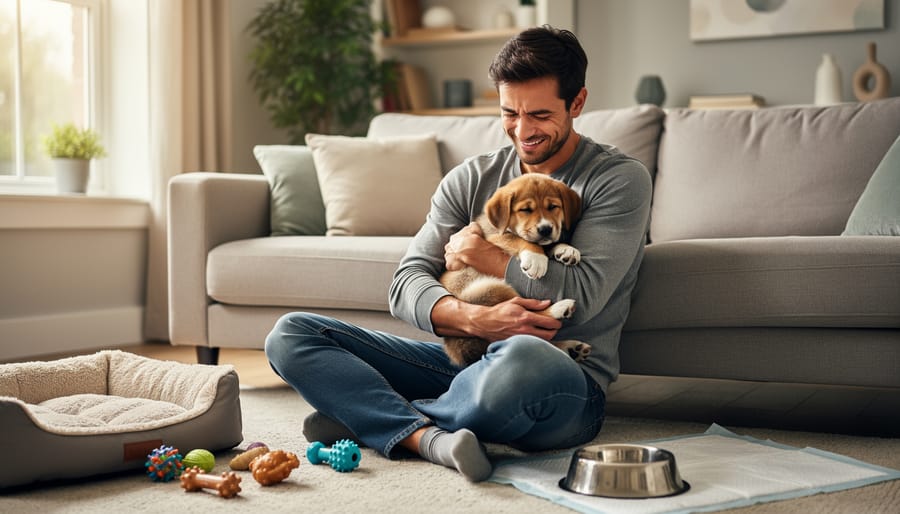
The first weeks with a puppy can feel like having a newborn. You’ll likely wake up multiple times during the night for potty breaks, especially in those first few weeks when your puppy’s bladder is tiny and their control is non-existent. Many new puppy parents are genuinely shocked by how little sleep they get. It’s not unusual to feel exhausted, even a bit resentful, when you’re stumbling outside at 3 a.m. for the fourth time in six hours.
Beyond sleep, puppies demand near-constant supervision. Turn your back for two minutes and you might find a puddle on the carpet, your favorite shoes chewed beyond recognition, or your puppy investigating something dangerous. They explore the world with their mouths, which means everything becomes a potential chew toy. Baseboards, furniture legs, electrical cords, your hands during play, nothing is off-limits in their minds.
House training accidents will happen, often right after you’ve just taken your puppy outside. It’s frustrating, but their bodies and brains are still developing the connection between the urge and the action. Training itself requires patience you might not know you have. Teaching basic commands like “sit” or “come” means endless repetition with a creature whose attention span lasts about three seconds.
There’s also an emotional adjustment that catches people off guard. You might feel overwhelmed, trapped, or even regretful during the hardest moments. That’s normal and doesn’t mean you made a mistake. Puppies are relentless in their needs, and the responsibility can feel heavy before the bond fully forms. The challenging phase is real, but it doesn’t last forever.
What You’ll Need: Essential Tools and Supplies for Success
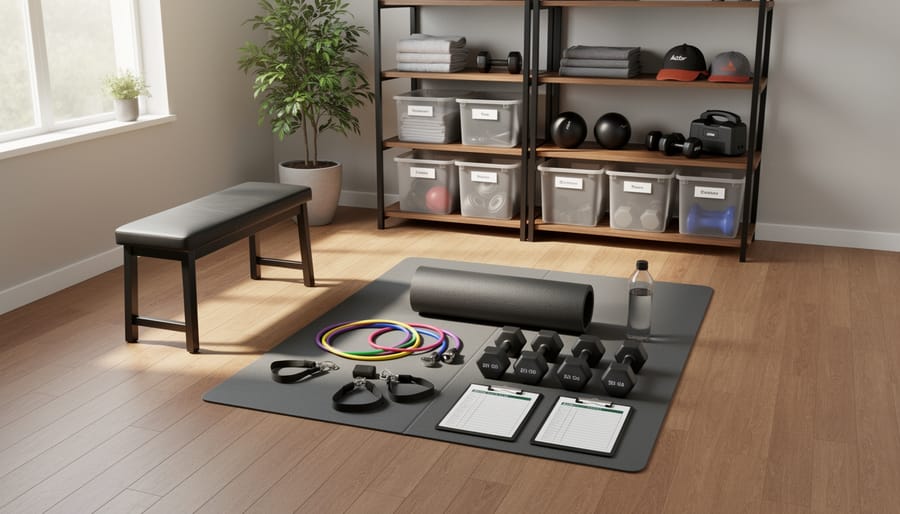
Having the right gear before your puppy arrives transforms chaos into manageable routine. You don’t need every product marketed to dog owners, but a core set of practical supplies makes those first challenging weeks significantly easier.
Start with containment and safety basics. A properly-sized crate becomes your puppy’s safe haven and your sanity-saver when you can’t actively supervise. Choose one large enough for your puppy to stand, turn around, and lie down comfortably, but not so big they can potty in one corner and sleep in another. An exercise pen or baby gates let you create puppy-proof zones where your furry friend can play safely while you shower or cook dinner.
Here’s what you’ll actually use daily, organized by purpose:
- Safety and containment: appropriately-sized crate, exercise pen or baby gates, collar with ID tag, 4-6 foot leash
- Training essentials: small, soft training treats, clicker or marker word, enzymatic cleaner for accidents, poop bags
- Comfort items: washable bedding or old towels, stainless steel food and water bowls, age-appropriate puppy food
- Mental stimulation: variety of chew toys in different textures, interactive puzzle toys, safe items for teething relief
- Cleanup arsenal: paper towels, enzymatic odor eliminator, handheld vacuum or lint roller for fur
Beyond physical supplies, line up your knowledge resources now. Identify a veterinarian before you need one urgently, and schedule that first checkup within 48 hours of bringing your puppy home. Bookmark reliable training resources or consider enrolling in a puppy class. Lincoln Pet Volunteers offers guidance for new adopters and fosters navigating those overwhelming early days.
Build your support network before exhaustion sets in. Connect with other puppy parents, join local training groups, or tap into online communities where you can ask questions at 2 a.m. when your puppy won’t settle. Having these contacts ready means you won’t feel alone when challenges arise, and you’ll have experienced voices reminding you that what you’re experiencing is normal and temporary.
Important Safety and Health Considerations
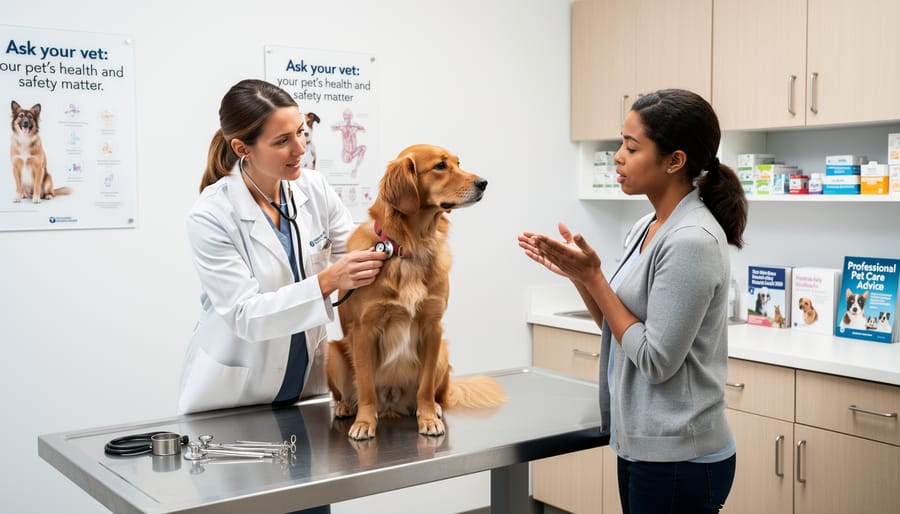
Keeping your puppy safe doesn’t require paranoia, just awareness and a few smart precautions. Before bringing your puppy home, get down on hands and knees to see your space from their perspective, electrical cords, small objects, unstable furniture, and accessible trash bins all become hazards when you’re an inquisitive eight-week-old explorer.
Store cleaning supplies in high cabinets, secure cabinets with childproof locks if needed, and keep medications in closed drawers. Move houseplants to shelves your puppy can’t reach, and consider removing toxic varieties entirely during the early months. Tape down or cover electrical cords, and block off access to stairs until your puppy is confident and coordinated enough to navigate them safely.
Vaccination timing matters more than many new owners realize. Your puppy needs a series of shots, typically at 8, 12, and 16 weeks, before they’re fully protected against parvovirus, distemper, and other serious diseases. Until two weeks after that final round, avoid dog parks, pet stores, and areas where unvaccinated dogs congregate. Socialization is important, but controlled exposure in safe environments protects your puppy during their vulnerable window.
Supervision prevents most accidents. Puppies explore with their mouths, so watch for choking hazards like small toys, coins, or fabric scraps. Learn basic puppy first aid, and know when to call your vet immediately: persistent vomiting or diarrhea, lethargy, refusal to eat for more than one meal, difficulty breathing, or ingestion of anything toxic. Save your vet’s number and the nearest emergency animal hospital contact in your phone now, you don’t want to search for it during a crisis.
Your Step-by-Step First Month with a Puppy
Week 1: Creating a Safe Foundation
Your first week with a puppy centers on creating stability rather than formal training. Choose one quiet room where your puppy can decompress without overwhelming stimulation. Set up their crate, water bowl, and a few safe toys in this space. Establish a consistent feeding schedule, typically three meals daily for young puppies, and take them outside immediately after eating, waking, and playing. These predictable patterns form the foundation for house training success. Focus on gentle bonding through calm interaction, soft talking, and hand-feeding treats. Resist the urge to introduce them to everyone you know or rush into training. The first 90 days shape your puppy’s confidence, and this initial week sets the tone for everything ahead.
Week 2: Starting Essential Training
Week two is when training really begins. Start crate training by making the space inviting, toss treats inside, feed meals there, and let your puppy explore without locking the door at first. Once they enter willingly, close it briefly while you’re nearby, gradually building to longer periods. This confinement with crate prevents accidents and keeps them safe when unsupervised.
For house training, take your puppy out immediately after waking, eating, playing, and every hour in between. Stand quietly outside until they go, then praise warmly and offer a small treat. Accidents will happen, clean them thoroughly without scolding. Consistency matters more than perfection right now.
Name recognition comes from saying their name before anything positive: meals, play, affection. Say it once, make eye contact, then reward. Avoid repeating it when they ignore you or during corrections. If you’re managing younger puppies alongside this stage, reviewing 6-week-old care helps understand developmental differences. By week’s end, your puppy should turn toward you when called and settle briefly in their crate.
Week 3: Building Skills and Confidence
By week three, your puppy’s ready for more structured learning. Start with two foundational commands: “sit” and “come.” Hold a treat near their nose, move it slowly upward, and when their bottom hits the floor, reward immediately. Practice three to five times per session, twice daily. For “come,” start in a hallway with minimal distractions, crouch down, say their name plus “come” enthusiastically, and reward when they reach you.
Now’s the time to introduce controlled socialization, not dog parks yet. Carry your puppy to safe outdoor spots where they can observe people, cars, and other stimuli from your arms. Let calm, vaccinated dogs sniff them briefly. Positive exposure now prevents fearfulness later.
Begin leash training indoors. Let them drag a lightweight leash around supervised, then practice short walks inside before attempting the chaotic outdoors.
Week 4: Establishing Consistency
By week four, your focus shifts from introducing new skills to solidifying everything your puppy has learned. This is where consistency becomes your most powerful training tool, and where many new puppy parents either build lasting habits or accidentally create confusion.
Practice all previous commands throughout the day in different rooms and situations. Your puppy should respond to their name, “sit,” and “come” with increasing reliability. If certain skills are lagging, go back to basics with higher-value treats and shorter sessions rather than pushing harder.
Troubleshoot persistent challenges now before they become ingrained habits. Still having frequent accidents? Increase potty break frequency and watch for subtle signals you might be missing. Continued crate resistance? Make the crate more rewarding with special toys only available inside.
Establish a sustainable daily rhythm that works for your actual schedule, not an idealized version. Puppies thrive on predictability, but your routine needs to fit your real life to be maintainable long-term. This week is about honest assessment and adjustment, setting yourself up for the months ahead.
How to Know You’re Making Progress
Progress with a puppy rarely follows a straight line, and that’s completely normal. Some days you’ll wonder if anything you’re teaching is sticking, then your puppy suddenly sits on command or sleeps through the night without a peep. Recognizing these milestones helps you see how far you’ve come, even during frustrating moments.
Behaviorally, you’ll notice your puppy having fewer accidents indoors and starting to signal when they need to go out, maybe heading toward the door or getting restless. They’ll begin responding to their name consistently, not just when food is involved. Crate settling becomes easier as they learn it’s their safe space rather than puppy jail. These shifts might happen gradually over weeks rather than overnight.
Emotional progress shows through growing confidence. Your puppy explores new spaces with curiosity instead of fear, recovers more quickly from startling noises, and demonstrates more independence during play. They might start settling down for short periods without constant attention, though they’ll still need plenty of interaction and supervision.
Physical signs matter too. A healthy appetite, enthusiastic play sessions, and good energy levels between naps all indicate your puppy is thriving. You’ll see them figuring out how their body works, coordinating their movements better, playing more purposefully with toys, and showing interest in learning.
Expect setbacks. A puppy who seemed house-trained might regress during a growth spurt or schedule change. Teething can temporarily derail good behavior. These aren’t failures on your part, they’re normal bumps that smooth out with patience and consistency. The overall trend matters more than any single day’s performance. If your puppy is gradually improving over weeks, you’re succeeding.
What Happens Next: The Path Forward After Month One
After the first month, you’ve laid the groundwork, now comes the exciting part where your puppy’s personality really starts to shine through.
Most of the intense challenges begin easing around the three to four-month mark. House training accidents become less frequent. The razor-sharp puppy teeth fall out between four and six months, bringing blessed relief from constant nipping. Your pup starts settling into their routine, and you’ll finally get stretches of uninterrupted sleep again.
But development doesn’t stop there. Between three and six months is the critical socialization window, keep introducing your puppy to new experiences, sounds, surfaces, and friendly people. This investment now prevents fear and reactivity issues later. Just remember to keep interactions positive and never force anything that terrifies them.
Around six months, most veterinarians recommend spaying or neutering, though some larger breeds benefit from waiting until they’re older. Discuss timing with your vet based on your puppy’s specific breed and health.
This is also the perfect time to advance their training. Basic commands like sit and come should be solid, so you can add heel, stay, and down. Group training classes offer structure and continued socialization, Lincoln Pet Volunteers provides training programs that can help you and your growing pup build these skills together.
The challenges shift rather than disappear. Adolescence (roughly six to eighteen months) brings a whole new testing phase. But by then, you’ll have the foundation, the confidence, and the bond to handle whatever comes next.
Common Questions About Raising Puppies
How long until house training clicks?
Most puppies grasp the basics of house training between 4 to 6 months old, though some take longer. Consistency matters more than speed, stick with your routine, celebrate every success, and remember that accidents are part of the learning process.
Is it normal to feel overwhelmed?
Absolutely. Puppy rearing is exhausting, and nearly every new puppy parent questions their decision at some point during those first weeks. These feelings don’t mean you’ve made a mistake, they mean you care deeply about doing right by your new companion.
When does the biting stop?
Puppies typically grow out of their mouthy phase between 6 to 8 months as their adult teeth come in and they learn bite inhibition. Consistent redirection to appropriate chew toys helps speed up this process.
Can I work full-time and raise a puppy?
Yes, though it requires planning. Consider midday dog walkers, doggy daycare, or arranging your schedule so someone checks on your puppy every 3 to 4 hours. Young puppies cannot hold their bladders for a full workday.
When should I start training classes?
Enroll once your puppy has received their initial vaccinations, usually around 8 to 10 weeks. Puppy kindergarten classes provide crucial socialization and build the foundation for a well-adjusted dog.
What if my puppy isn’t progressing as fast as others?
Every puppy develops at their own pace. Some breeds mature slower, and individual temperament plays a huge role. Focus on your puppy’s improvement over time rather than comparing them to others.
Remember that raising a puppy isn’t a race. The work you’re putting in now, through the sleepless nights, the accidents, the chewed-up shoes, is building the foundation for a forever home filled with companionship and joy. Your concerns are valid, your frustrations are shared by countless puppy parents before you, and reaching out for help is a sign of good judgment, not failure. Lincoln Pet Volunteers offers ongoing support for new adopters and fosters navigating these early challenges, because we know that sometimes you just need someone who understands to tell you that you’re doing better than you think.
Yes, raising a puppy is hard, there’s no sugarcoating the sleepless nights, the chewed-up shoes, or the moments when you wonder what you’ve gotten yourself into. But here’s what every puppy parent discovers: those challenges don’t last forever, while the bond you’re building absolutely does. The frustrating behaviors fade, the training clicks into place, and one morning you’ll wake up to a well-adjusted dog who trusts you completely.
You don’t have to navigate this journey alone. Lincoln Pet Volunteers offers fostering guidance, training programs, and adoption support designed specifically for people like you, those who are committed but need a helping hand. Whether you’re considering fostering, already raising a puppy, or looking for structured training, our volunteer programs connect you with experienced mentors and resources that make the process easier.
The truth is, puppies bring unmatched joy, their goofy antics, unconditional love, and the way they light up when you come home. That’s the reward waiting on the other side of the hard work, and it’s absolutely worth it.