
Choosing between cat boarding and foster care comes down to your cat’s personality, your budget, and how long you’ll be away. Commercial boarding facilities offer structured, professional environments with veterinary oversight and standardized routines, typically costing $25 to $50 per day. Foster-based care places your cat in a volunteer’s home for a more intimate, low-stress experience, usually at lower rates or through donation-based systems. Most cats adapt well to either option, but the right choice depends on whether your feline needs medical monitoring, thrives with minimal disruption, or benefits from the socialization that comes with a home setting.
The key difference isn’t just cost or convenience. It’s about matching your cat’s temperament to the care environment. A shy cat who hides when strangers visit may struggle in a bustling boarding facility but flourish in the quiet predictability of a foster home. Conversely, a social butterfly with special dietary needs might be safer in a boarding center where staff can monitor eating habits and medication schedules around the clock.
Key Takeaway: Foster care excels for anxious cats needing minimal disruption and personalized attention, while commercial boarding suits cats requiring medical oversight, strict schedules, or owners traveling frequently who value standardized protocols.
Understanding these distinctions helps you evaluate facilities and caregivers more effectively. You’ll know which questions to ask, which red flags to watch for, and how to prepare your cat for the transition. Whether you’re planning a two-week vacation or facing an unexpected family emergency, the right temporary care solution keeps your cat safe, comfortable, and content until you return. And if you’re exploring community-based options that blend foster philosophy with reliable structure, organizations like Chez Grisette demonstrate how volunteer networks can provide compassionate alternatives to traditional boarding.
Key Factors to Consider When Choosing Cat Care
Your Cat’s Individual Needs
Understanding your cat’s unique personality and needs is the foundation of choosing the right care arrangement. Start by honestly evaluating how your cat responds to change and new environments. Does she explore confidently when visiting the vet, or does she hide for hours after strangers visit? Cats who adapt easily often thrive in various settings, while anxious cats typically need quieter, home-like environments with minimal disruption.
Health considerations matter tremendously. If your cat takes daily medication, needs insulin injections, or has mobility issues, you’ll want caregivers experienced with medical management. Some foster homes excel at medical care, while certain boarding facilities have trained staff and veterinary partnerships. Know your cat’s complete health picture, including any dietary restrictions or chronic conditions that require monitoring.
Pay attention to your cat’s social preferences. Some cats crave human interaction and become depressed without regular attention and playtime. Others prefer solitary peace and get stressed by too much handling. Similarly, consider how your cat reacts to other animals. A social butterfly might enjoy a foster home with other cats, whereas a territorial cat needs guaranteed solo space.
Age plays a role too. Kittens and young cats usually bounce back quickly from environmental changes, but senior cats often struggle with disruption to their routines. Older cats generally benefit from quieter, predictable settings that closely mirror their home environment.
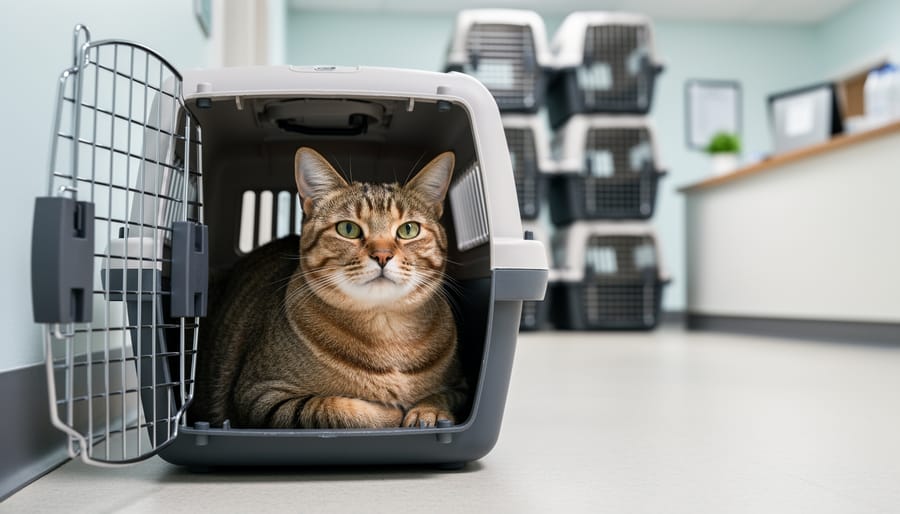
Duration and Frequency of Care
The length of time you need care plays a crucial role in determining which option works best for your cat. Different care arrangements are designed with specific durations in mind, and choosing one that aligns with your timeline ensures better availability and often more appropriate pricing.
For short stays of one to seven days, most traditional boarding facilities excel. They’re set up for quick turnarounds with streamlined check-in processes and standardized care routines. Foster homes through rescue organizations, however, typically prefer longer commitments since each placement requires setup time and adjustment periods for the cat.
Medium-term care spanning one to four weeks opens up more possibilities. Many volunteer-run programs can accommodate these stays comfortably, and foster caregivers may be more willing to take on cats for several weeks rather than just a few days. This duration allows your cat to settle into a routine without the pressure of frequent transitions.
Long-term arrangements extending beyond a month require careful planning. Foster-based care often becomes the most practical option here, as commercial facilities can be prohibitively expensive for extended periods. Some rescue organizations specialize in temporary fostering for deployed military members or families facing medical crises, offering arrangements that can last several months.
Consider frequency too. If you travel regularly for work, establishing a relationship with one consistent caregiver creates stability for your cat, whether that’s a trusted foster home or a familiar boarding facility where staff know your pet’s quirks and preferences.
Level of Personal Attention
The amount of individual attention your cat receives varies dramatically across different care settings, and this factor often determines how comfortable and stress-free their stay will be.
In foster homes, your cat typically shares space with only one or two other animals at most, sometimes being the only guest. Foster caregivers live in the home 24/7, meaning your cat has nearly constant human presence and can receive attention multiple times throughout the day. This mirrors a home environment where cats get fed, played with, and checked on during morning routines, lunch breaks, and evenings.
Traditional boarding facilities house multiple cats simultaneously, with staff working in shifts. A single caretaker might oversee fifteen to thirty cats during their shift, limiting one-on-one interaction to feeding times, basic health checks, and brief play sessions. Many facilities offer “premium” packages with dedicated playtime, but this still means scheduled interaction rather than the spontaneous attention cats receive in home settings.
Volunteer-run boarding programs fall somewhere in between. Smaller operations might maintain ratios of one caretaker to five or six cats, while larger facilities resemble commercial operations. The key difference lies in volunteer dedication, many spend extra hours beyond their shifts because they genuinely enjoy the animals, not because it’s required.
For anxious cats or those craving human interaction, higher attention levels reduce stress significantly. Conversely, independent cats comfortable with routine care may thrive in any well-managed setting regardless of attention intensity.
Types of Cat Care Options Compared
Foster-Based Care Through Rescue Organizations
Foster-based care places your cat in a volunteer’s home rather than a facility. Cat Fostering programs through rescue organizations connect pet owners with experienced volunteers who provide temporary care in their personal living spaces. Your cat stays in a real household with a kitchen, living room, and bedroom access, not a kennel or cage. This arrangement mimics the home environment your cat already knows, which reduces stress significantly.
Most rescue organizations screen their foster volunteers thoroughly. The process typically mirrors foster parent requirements in structure: home visits, reference checks, and evaluations of pet care experience. Volunteers complete training on cat behavior, medication administration, and emergency protocols before they’re approved to take temporary boarders. Many have years of volunteer foster work behind them and understand anxious cats, senior cats, and those needing special attention.
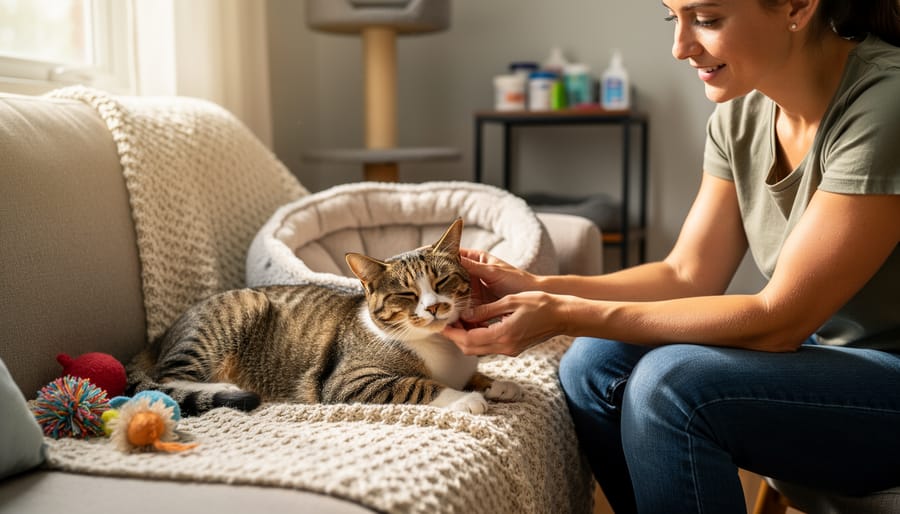
What sets foster care apart is the personal commitment. A foster caregiver usually takes just one or two cats at a time, giving your pet individualized attention throughout the day. Your cat isn’t competing with fifteen others for playtime or affection. The foster sends updates, photos, and progress reports directly to you. They maintain your cat’s feeding schedule, administer medications as needed, and watch for any behavioral changes that might signal stress or health concerns.
Rescue-based foster programs focus on saving lives with fosters year-round, so these volunteers bring genuine compassion and experience to temporary boarding arrangements. They’re not doing it for profit, they’re doing it because they care about cats.
Volunteer-Run Boarding Services
Community-based boarding programs bridge the gap between home-style foster care and commercial facilities. Organizations like Lincoln Pet Volunteers operate these services with a mission beyond profit: every boarding fee supports their broader rescue work, medical care for homeless cats, and community education programs.
These programs typically maintain dedicated boarding spaces within their facilities or partner locations. You’ll find clean, purpose-built rooms with proper ventilation, climate control, and separate areas for cats who prefer solitude versus those who enjoy company. Unlike commercial hotels, volunteer-run programs often limit the number of cats they accept at once, ensuring each animal receives meaningful attention from trained caregivers.
The staff mix matters here. While some volunteers handle daily care, most programs employ experienced coordinators who oversee operations, manage medical needs, and maintain consistent routines. Volunteers bring enthusiasm and genuine affection, but professional oversight ensures reliability and proper protocols for emergencies.
Care standards reflect nonprofit accountability. Reputable programs maintain clear health requirements, proof of vaccinations, recent vet records, and conduct intake assessments to match cats with appropriate housing. Daily routines include feeding schedules tailored to individual needs, playtime, grooming checks, and photo updates for owners.
The mission-driven approach means your cat’s stay contributes to a larger cause. Fees often cost less than commercial boarding while directly funding spay-neuter programs, medical treatment for shelter cats, and adoption services. You’re supporting ethical animal welfare while ensuring your own pet receives compassionate, attentive care.
Traditional Cat Hotels and Commercial Boarding
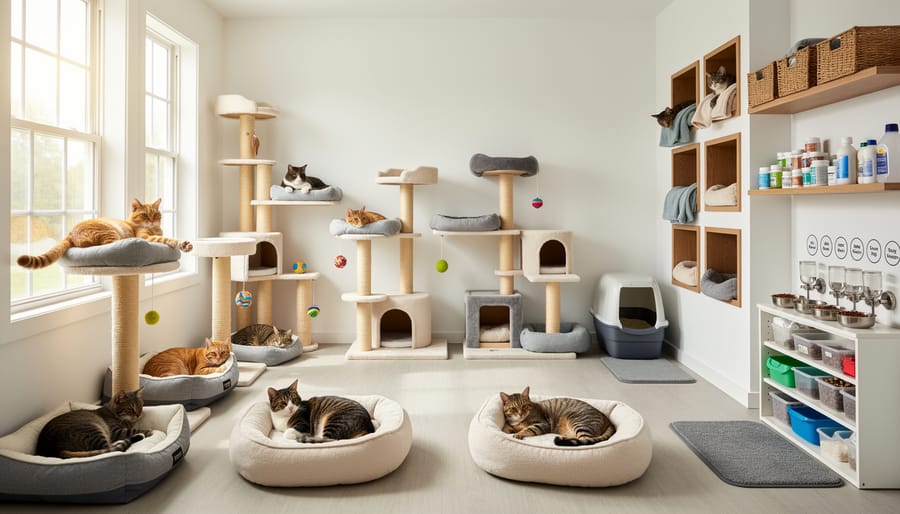
Professional cat boarding facilities operate as licensed businesses specifically designed to house cats temporarily. These establishments typically feature individual kennels or cat condos with varying levels of space and amenities, from basic enclosures to multi-level suites with windows, climbing structures, and separate sleeping areas. Many facilities maintain climate-controlled environments with dedicated ventilation systems to minimize stress from unfamiliar scents and sounds.
Commercial boarders must comply with state and local regulations that set minimum standards for animal housing, sanitation, and care. Licensed facilities undergo regular inspections and maintain liability insurance, providing accountability that informal arrangements can’t always guarantee. Staff members often have formal training in animal handling and may include veterinary technicians who can monitor health changes and administer medications reliably.
The best commercial facilities offer structured daily routines with scheduled feeding times, play sessions, and health checks. Some provide extras like webcam access so you can check on your cat remotely, grooming services, or even specialized care for diabetic cats requiring insulin injections. Premium facilities might feature separate quiet zones for anxious cats or communal play areas for social felines.
Traditional boarding works well when you need guaranteed availability during peak travel seasons, require professional medical care administration, or prefer the accountability of a licensed business with established protocols. They’re particularly valuable for cats with complex medical needs that demand trained oversight, or when your travel schedule makes home-based arrangements impractical. The trade-off is a more institutional environment compared to foster care’s home setting, though quality facilities work hard to create comfortable, enriching spaces that minimize boarding stress.
Our Recommendations for Different Situations
Best for Short-Term Needs (1-7 Days)
For weekend getaways and weeklong trips, traditional cat hotels often work well because they’re designed for quick check-ins and drop-offs. Most commercial facilities handle short stays efficiently, with established routines that help cats settle in fast. You won’t need to coordinate schedules with volunteer caregivers or wait for foster home availability, which matters when you’re leaving tomorrow.
That said, if your cat gets anxious in unfamiliar environments, a volunteer-run boarding program with smaller group sizes can ease the transition. These settings feel less institutional and often allow caregivers to spend more one-on-one time helping nervous cats adjust during those first critical hours.
For very short stays (one to three nights), ask friends or neighbors who know your cat to stop by your home instead. Familiar surroundings reduce stress, and many cats handle brief alone time better than facility stays when they can sleep in their own spots and follow their usual routines.
Whichever option you choose, bring your cat’s regular food, a worn t-shirt with your scent, and their favorite toy. These small touches help them recognize something familiar right away, making those first hours away from home easier on everyone.
Best for Extended Care (Weeks to Months)
When you need cat care for several weeks or months, whether you’re facing a medical situation, military deployment, family emergency, or extended relocation, foster-based arrangements through rescue organizations typically offer the most stable and cost-effective solution. A consistent home environment with the same caregiver throughout the stay helps cats adjust and settle in, reducing stress compared to the institutional feel of long-term boarding. Foster caregivers often have flexible schedules and genuine love for cats, providing the daily interaction and companionship that matters during extended separations.
For cats requiring ongoing medical care or special attention, look for foster programs with experienced volunteers who’ve handled similar needs. Many rescue organizations maintain networks of foster homes with various specialties, some excel with senior cats, others with medication administration or behavioral challenges. The affordability of foster care becomes especially significant over multiple weeks, as commercial boarding costs can accumulate quickly.
Start your search early since quality foster placements fill up, and plan for a proper introduction period before your departure. Regular photo updates and communication with your foster caregiver help maintain your bond with your cat and provide reassurance during the separation.
Best for Cats with Special Needs
Cats with chronic conditions, mobility limitations, or heightened anxiety require caregivers who understand their unique challenges and can provide consistent, attentive support. For these situations, foster-based care through rescue organizations typically offers the most suitable environment.
Foster homes excel at accommodating special needs because they provide a quiet, predictable setting with one-on-one attention. A senior cat with arthritis benefits from a caregiver who notices subtle changes in movement or appetite. An anxious cat can decompress in a spare bedroom rather than face the stimulus of multiple animals in adjacent kennels. Foster volunteers often have experience managing medications, monitoring conditions like diabetes or kidney disease, and recognizing when something feels off.
When evaluating foster care for a special-needs cat, ask specific questions: Has the caregiver managed similar conditions before? What’s their protocol if symptoms worsen? How will they handle medication schedules, and do they keep detailed records? A good foster provider will request your veterinarian’s contact information and discuss your cat’s routine in depth before agreeing to the placement.
Traditional boarding facilities with veterinary staff on-site work well for cats requiring frequent medical monitoring or injectable medications that demand professional administration. However, the busier environment may stress already-vulnerable cats. Weigh your cat’s medical complexity against their emotional resilience when deciding between the clinical expertise of a boarding facility and the calm individualized care of an experienced foster home.
Common Mistakes to Avoid
Not Visiting or Meeting Caregivers in Advance
Meeting your cat’s caregiver before you need them ranks among the smartest things you can do. Yet many pet owners book care sight unseen, often because they’re in a rush or assume online reviews tell the whole story.
An in-person visit reveals what photos can’t capture, cleanliness standards, ambient noise levels, how staff interact with animals, and whether the space feels calm or chaotic. You’ll notice if cats seem stressed, if litter boxes are maintained promptly, and whether caregivers answer questions confidently or vaguely.
For foster homes, meeting the volunteer lets you assess their genuine comfort with cats. Watch how they handle their current foster animals. A good foster caregiver will ask detailed questions about your cat’s routine, preferences, and quirks rather than simply accepting the booking.
During any visit, trust your instincts. If something feels off, evasive answers, reluctance to show certain areas, or dismissive attitudes toward your concerns, keep looking. Your cat can’t evaluate their temporary home, so you must. Schedule visits at different times of day if possible; morning routines often reveal more than afternoon quiet periods.
Ignoring Your Cat’s Communication Style
Cats tell us exactly what they need, if we know how to listen. A cat who hides when guests visit isn’t being antisocial; she’s signaling that she needs a quiet, predictable environment. That same cat will likely struggle in a busy commercial facility with multiple staff members and constant activity, no matter how well-run it is. She’ll thrive in a calm foster home with consistent caregivers.
Watch how your cat responds to change. Does he explore new spaces confidently, or does he retreat under the bed for hours? Cats who adapt quickly to disruption often do fine in professional boarding settings. Anxious cats need the stability of a home environment where they can establish a safe territory.
Pay attention to body language during your daily routine. A cat who greets strangers at the door has different care needs than one who freezes when the doorbell rings. Flattened ears, dilated pupils, and a low, tucked tail aren’t just nervousness, they’re clear indicators that your cat needs extra consideration when choosing care.
Your cat’s communication style isn’t a problem to solve. It’s valuable information that points you toward the right care environment, ensuring she feels secure rather than stressed during your absence.
Overlooking Important Questions
When you’re evaluating cat care options, certain questions feel too obvious to ask, but skipping them can lead to serious problems. Don’t assume anything about emergency procedures or daily care protocols. Ask directly: What happens if my cat gets sick or injured while I’m away? Which veterinarian will they use, and who covers the cost? How do they handle medication schedules? What’s their daily routine for feeding, playtime, and litter maintenance, and speaking of basics, confirm they follow proper litterbox tips for cleanliness and frequency. Request specifics about the caregiver’s experience with cats like yours. A facility or foster provider who hesitates or gives vague answers to these fundamental questions isn’t prepared to care for your pet.
Frequently Asked Questions
How much does cat boarding or foster care typically cost?
Foster care through rescue organizations is often the most affordable option, sometimes offered at minimal or no cost to support their mission, while traditional cat hotels typically range from $15-45 per day depending on amenities and location. Volunteer-run boarding programs usually fall somewhere in between, with fees that support the organization’s work.
What should I bring when dropping off my cat?
Most facilities request current vaccination records, your veterinarian’s contact information, and what to bring for your cat’s comfort like their usual food, any necessary medications with clear instructions, and perhaps a familiar blanket or toy with your scent. Some prefer you use their supplies to maintain consistency, so ask ahead.
Do cats really adjust to temporary care, or will it stress them out?
Cats vary widely in their adaptability. Some settle in within hours, especially if they’re naturally social or have stayed away from home before, while anxious cats might need several days to relax. The right match between your cat’s temperament and the care environment makes the biggest difference in how smoothly they adjust.
Are vaccinations always required for boarding or foster care?
Yes, nearly all reputable programs require current rabies and FVRCP vaccinations to protect all cats in their care. If your cat is overdue or has never been vaccinated, schedule an appointment with your vet well before your planned care dates, as some vaccines need time to become effective.
Finding a provider you trust comes down to asking direct questions and observing how they respond. Reputable caregivers welcome inquiries about their routines, experience with different cat personalities, and how they handle emergencies. They should provide references, show proof of any required licensing or insurance, and give you a clear sense of what daily life looks like for the cats in their care. If a provider seems evasive, rushes the conversation, or can’t offer specifics about their protocols, keep looking. Your instincts matter here. The right caregiver will make you feel confident that your cat will receive attentive, knowledgeable care while you’re apart.
Key buying factors
Choosing the right care for your cat comes down to matching their individual needs with the right environment and level of attention. Start by honestly assessing your cat’s temperament, anxious cats often thrive in quiet foster homes, while social butterflies may enjoy the activity of larger facilities. Consider how long you need care and plan accordingly, since last-minute bookings limit your options and stress everyone involved.
The caregiver relationship matters tremendously. Look for people who ask questions about your cat’s routine, preferences, and quirks rather than treating all cats identically. Visit beforehand to see the space, meet who’ll actually care for your cat, and trust your instincts about cleanliness and organization.
Budget realistically but remember that the cheapest option isn’t always the best value. Quality care costs more because it includes proper supervision, individual attention, and emergency protocols. Ask specific questions about daily routines, veterinary access, and what happens if your cat gets sick or stressed.
Finally, book early. The best caregivers fill up quickly, especially during holidays. Waiting until the last minute forces you to settle rather than choose the arrangement that truly fits your cat.
Finding the right care for your cat comes down to understanding what your specific pet needs and matching those requirements to the most suitable environment. Whether you choose foster care through a rescue organization, a volunteer-run boarding program, or a traditional cat hotel, the best decision prioritizes your cat’s comfort, health, and emotional well-being above all else.
The options we’ve explored each serve different situations and cat personalities. Anxious cats often thrive in quiet foster homes with one-on-one attention, while social cats might enjoy the activity of a well-staffed facility. Cats with medical needs require caregivers experienced in administering medications and monitoring health changes. Your travel duration, budget, and how far in advance you can plan all play a role in determining which arrangement works best.
Take time to visit facilities, meet potential foster caregivers, and ask the detailed questions that matter for your situation. Trust your instincts about the environment and the people who will care for your companion. When you find the right match, you’ll have genuine peace of mind knowing your cat is safe, comfortable, and receiving attentive care while you’re away.
As you explore your options, consider reaching out to local volunteer-based organizations. Understanding what volunteers do in these compassionate programs reveals how mission-driven care creates nurturing environments for cats. These community-based alternatives often provide exceptional, personalized attention that benefits both pets and their owners.