The Lincoln Mission is the guiding philosophy that drives Lincoln Pet Volunteers to prioritize compassion, community connection, and life-saving action for every animal in need. At its heart, the mission declares that no pet should go without a loving home, quality care, or a second chance simply because resources are scarce or circumstances are difficult.
This isn’t just an aspirational statement printed on a brochure. The Lincoln Mission shapes every decision the organization makes, from how volunteers are trained to how adoption processes are designed, from which partnerships are formed to how follow-up support is offered to new pet families. It’s the reason Lincoln Pet Volunteers operates as a foster-based network rather than a traditional shelter facility, the reason intake decisions prioritize medical need alongside space availability, and the reason volunteers receive ongoing education in animal behavior and trauma-informed care.
Understanding the Lincoln Mission matters if you’re considering adoption, thinking about volunteering, or simply want to support an organization whose values align with your own. The principles embedded in this mission translate directly into how animals are treated, how adopters are supported, and how the community comes together to solve problems that no single person could tackle alone.
This article breaks down what the Lincoln Mission actually means in practice, how it guides day-to-day operations, the core values that give it shape, and the real-world impact you can see when philosophy meets action. You’ll walk away knowing not just what Lincoln Pet Volunteers stands for, but how that mission creates better outcomes for pets and people alike.
What the Lincoln Mission Means for Animals and Community
The Lincoln Mission is more than a tagline, it’s the heartbeat of everything Lincoln Pet Volunteers does. At its core, this mission represents an unwavering promise: every pet in our care will receive compassion, quality medical attention, and the chance to find a loving forever home. Unlike traditional shelter models, we believe animals heal and thrive best when surrounded by the warmth of a home environment, which is why our foster-based approach puts pets in caring households rather than kennels.
This mission extends beyond the animals themselves. We’re building something larger, a community of people who share the conviction that abandoned, neglected, or surrendered pets deserve dignity and a fresh start. Every volunteer who opens their home, every adopter who welcomes a rescue into their family, and every supporter who contributes time or resources becomes part of this living mission.
- Rescue
- The act of removing animals from harmful situations, shelters, streets, or homes unable to care for them, and bringing them into our network of safety and support.
- Foster-Based Care
- Placing rescued pets in temporary home environments where they receive individual attention, socialization, and healing before adoption, rather than housing them in institutional shelter settings.
- Community Support
- A network of volunteers, donors, adopters, and advocates working together to sustain rescue efforts and ensure every animal receives the resources they need.
- Permanent Placement
- The process of carefully matching each animal with a compatible forever family through thorough screening, education, and ongoing support.
The Lincoln Mission recognizes that saving lives requires more than good intentions. It demands coordinated effort, transparent practices, and a genuine commitment to each animal’s wellbeing from rescue through adoption and beyond. When someone asks what drives Lincoln Pet Volunteers, the answer is simple: we believe love isn’t a privilege reserved for some animals, it’s a right that belongs to all of them.
How the Lincoln Mission Works in Practice
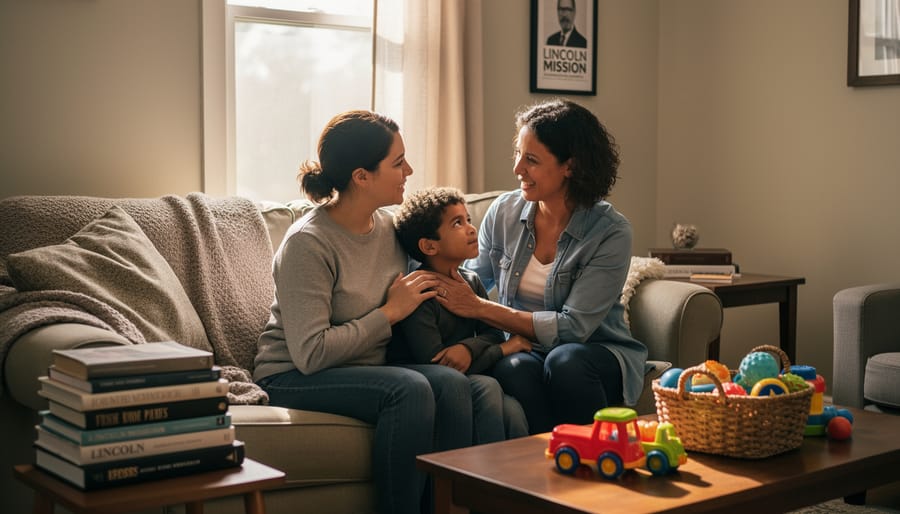
The Lincoln Mission comes to life through a carefully coordinated process that turns compassion into action. When a pet enters Lincoln Pet Volunteers’ care, they step into a system designed around their individual needs rather than institutional convenience.
It starts the moment a rescue alert comes in. Whether through owner surrender, shelter partnerships, or community referrals, the intake team assesses each animal’s medical condition, temperament, and special requirements. A senior dog with arthritis needs different care than a high-energy puppy, and the mission’s commitment to personalized attention begins here.
From intake, pets move into the heart of the operation: the foster network. Instead of kennels or cages, animals recover and decompress in volunteer homes where they receive one-on-one attention. Foster families provide medical care, basic training, and socialization while gathering crucial information about personality and habits. This home-based approach allows Lincoln Pet Volunteers to rescue one foster at a time ensuring quality over quantity.
During foster care, volunteers handle veterinary appointments, behavioral assessments, and any rehabilitation needs. A shy cat might need weeks to build confidence. A dog with leash reactivity gets targeted training sessions. The mission’s framework allows for this flexibility because fosters report directly to coordinators who adjust support as needed.
Meanwhile, the adoption team works behind the scenes. They photograph pets in natural settings, write honest profiles that highlight both strengths and quirks, and screen potential adopters through detailed applications. When a match looks promising, they arrange meet-and-greets where fosters share firsthand insights about daily routines and personality traits.
After adoption, the relationship continues. New pet parents receive follow-up check-ins, access to training resources, and ongoing support from the volunteer community. If challenges arise, the team troubleshoots solutions rather than simply taking the pet back.
This entire cycle depends on volunteers filling specific roles: transporters move animals to vet appointments, event coordinators run adoption days, social media managers share success stories, and donation processors keep operations funded. Each person contributes a piece that makes the whole system function, turning the abstract mission into lived reality for hundreds of animals each year.
The Core Values That Shape Every Decision
Every choice Lincoln Pet Volunteers makes, from which animals to take in to how foster homes are matched, flows from a small set of deeply-held values. These aren’t abstract principles posted on a wall; they’re the working framework that guides decisions in real time, whether it’s a volunteer facing a scared dog at 10 PM or leadership planning next year’s programs.
At the heart of the mission are these foundational values:
- Compassion: Every animal deserves gentle, patient care that recognizes their individual needs and past trauma
- Respect: Treating animals, volunteers, adopters, and community partners with dignity and appreciation
- Quality Care: Providing thorough veterinary attention, proper nutrition, and safe environments without shortcuts
- Education: Teaching responsible pet ownership and helping people build skills to strengthen their bond with animals
- Transparency: Operating openly about challenges, finances, and decision-making processes
- Community Partnership: Working alongside other organizations, volunteers, and supporters rather than in isolation
These values show up in unexpected ways. Compassion means a foster coordinator might turn down an urgent rescue request because the organization’s current capacity can’t provide the level of care that animal needs, a hard choice that honors the commitment to quality over quantity. Respect shapes how adoption counselors approach families whose first application didn’t work out, treating setbacks as learning opportunities rather than rejections.
The transparency value drives monthly financial reports shared with volunteers and public updates when programs don’t go as planned. Community partnership explains why Lincoln Pet Volunteers actively refers people to other rescues when another group is better suited to help, viewing the broader animal welfare network as collaborative rather than competitive. Long-term planning reflects these same principles: expanding foster capacity before adding new programs, investing in volunteer training alongside direct animal care, and building sustainable systems that will serve animals for years to come.
Mission-Driven Programs and Services
Foster-Based Rescue and Adoption
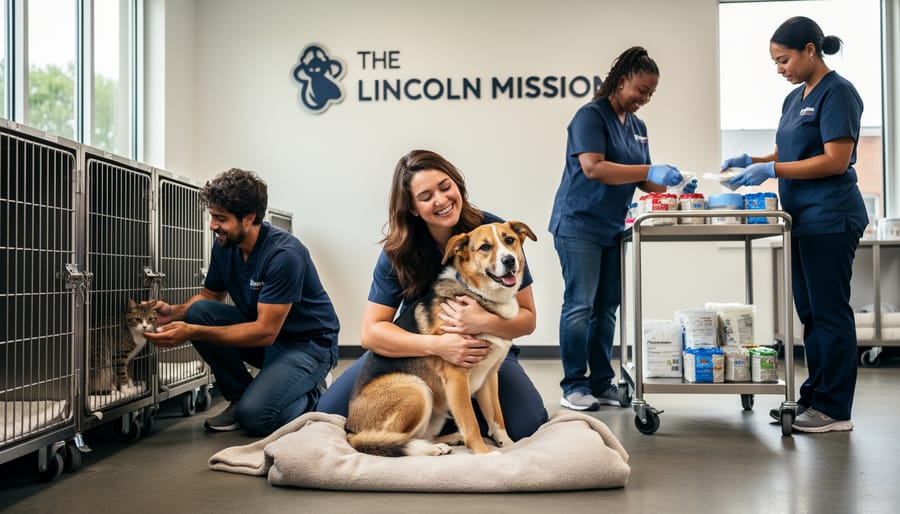
Lincoln Pet Volunteers operates on a foster-based model rather than maintaining a traditional shelter facility. This approach directly reflects core mission values by placing rescued animals in home environments where they receive individual attention and personalized care.
Foster families provide temporary homes for pets awaiting adoption, creating a bridge between rescue and permanent placement. In these settings, animals decompress from whatever trauma or stress they’ve experienced, receiving consistent routines, socialization, and one-on-one interaction. Foster volunteers observe each pet’s unique personality, preferences, and needs, insights that prove invaluable when matching animals with adopters.
The home environment also allows for more accurate behavioral assessments. A dog’s true temperament emerges more clearly in a living room than in a kennel. Foster families discover whether a cat prefers quiet spaces or thrives around activity, whether a dog gets along with children or other pets, and what kind of home would suit them best.
This model extends the mission’s commitment to dignity and compassionate care. Instead of institutional confinement, pets experience family life, proper nutrition, comfort, and security while they wait. Many arrive scared or unsocialized; they leave confident and ready for their forever homes, transformed by the patience and kindness of foster volunteers who embody the Lincoln Mission every day.
Training and Support Services
Lincoln Pet Volunteers’ training programs demonstrate that the mission doesn’t end at adoption, it continues through every stage of the human-animal relationship. Professional dog training classes help new adopters build strong foundations with their pets, addressing everything from basic obedience to specific behavioral challenges. These sessions give families the tools they need to create harmonious homes, reducing the risk of returns and strengthening bonds that last a lifetime.
The boarding services further extend this commitment to ongoing care. When families need temporary pet care, they can turn to Lincoln Pet Volunteers knowing their animals will receive attention that aligns with animal welfare standards and guidelines while maintaining the compassionate approach they’ve come to trust. This continuity of care means adopters have a reliable support system long after taking their pet home.
By offering these services, Lincoln Pet Volunteers recognizes that successful adoption requires more than matching pets with families, it requires equipping those families with knowledge, skills, and resources. Training builds confidence in new pet owners, while boarding provides peace of mind during life’s inevitable changes. Both services reinforce the core mission value that every animal deserves not just a home, but a stable, loving environment where both pet and owner can thrive together.
Community Engagement and Education
Lincoln Pet Volunteers extends the mission beyond direct animal care through meaningful community connections. The organization offers diverse volunteer opportunities that welcome people of all skill levels, from helping at adoption events and transporting animals to fostering and administrative support. Educational initiatives include workshops on responsible pet ownership, training seminars, and school programs that teach children compassion and proper animal interaction. These outreach efforts create a network of informed advocates who understand and champion the mission’s values. By engaging the broader community through hands-on involvement and education, Lincoln Pet Volunteers builds lasting awareness and cultivates a culture where every resident can contribute to creating second chances for pets in need.
Living the Mission: Real Stories of Impact
The Lincoln Mission transforms abstract values into tangible change every single day. When Melissa came to Lincoln Pet Volunteers searching for a companion after her move to the area, she found Max, a seven-year-old mixed breed who’d spent months in foster care recovering from neglect. “I thought I was just adopting a dog,” Melissa says, “but Max taught me what resilience looks like. His foster family prepared him so beautifully that within days, he was sleeping at the foot of my bed like he’d always been there.”
Foster volunteer Janet has opened her home to over thirty dogs in the past four years. She describes the work as life-changing in both directions. “You watch these scared, uncertain animals blossom in a safe environment,” she explains. “There was Duke, who arrived terrified of men and wouldn’t eat for two days. Six weeks later, he was playing fetch with my husband and got adopted by a wonderful family with two kids. That’s the mission working, patience, love, and the right environment.”
The ripple effects extend beyond individual adoptions. When Lincoln Pet Volunteers launched their community training workshops, they connected adopters like Tom with resources he desperately needed. “Our rescue pup had separation anxiety we couldn’t manage alone,” Tom shares. “The trainers didn’t just teach techniques, they showed us how shared compassion between humans and animals builds trust. Now Sadie’s thriving, and we volunteer at adoption events to help other families.”
These stories aren’t exceptions, they’re the daily reality of a mission-driven organization. Every successful placement, every volunteer hour, every training session represents the Lincoln Mission’s promise: that dedication to animal welfare creates stronger, more connected communities where both pets and people flourish.
How The Lincoln Mission Understanding Lincoln Pet Volunteers Is Used
Understanding the Lincoln Mission helps people make more meaningful connections with Lincoln Pet Volunteers in several practical ways. Prospective adopters who grasp the mission’s emphasis on lifelong care and second chances approach adoption as a forever home commitment rather than a transaction, which leads to better matches and fewer returns. Volunteers use the mission framework to guide their decisions when fostering animals, knowing that patience and compassion during rehabilitation directly supports the organization’s values.
Community members apply mission principles when spreading awareness about responsible pet ownership or recommending Lincoln Pet Volunteers to friends considering adoption. Donors reference the mission to understand exactly how their contributions support comprehensive care, from veterinary treatments to training programs. Even casual supporters who follow adoption stories online gain a clearer picture of what sets Lincoln Pet Volunteers apart from traditional shelters.
The mission also helps staff and long-term volunteers maintain consistency in their approach, ensuring every rescued animal receives the same standard of respect and individualized attention, regardless of age, breed, or background.
Common Questions About Our Mission and Approach
The questions people ask about our mission reveal what matters most: how we’re different, how you can help, and what drives our daily work. These answers offer a window into the heart of Lincoln Pet Volunteers.
What makes Lincoln Pet Volunteers’ mission different from traditional shelters?
Our foster-based model means every animal lives in a home environment while waiting for adoption, receiving individual attention and personalized care instead of kennel time. This approach allows us to understand each pet’s personality, quirks, and needs so we can make better adoption matches.
How can I support the Lincoln Mission if I can’t adopt or foster?
You can volunteer at events, donate supplies or funds, share our adoptable pets on social media, or spread awareness about our work. Every contribution, whether time, resources, or advocacy, helps us rescue and care for more animals in need.
Do you only work with dogs and cats?
While dogs and cats make up the majority of our rescues, our mission extends to any pet in need that we have the resources and expertise to help. We’ve worked with rabbits, guinea pigs, and other small animals when circumstances align with our capabilities.
How does the foster model serve your mission better than a shelter facility?
Foster homes let us observe how animals behave in real living situations, work through behavioral challenges with patience and consistency, and prepare them for permanent homes. This individualized approach means higher adoption success rates and happier outcomes for both pets and families.
Understanding these fundamentals helps you see how Lincoln Pet Volunteers translates values into action. Our mission isn’t abstract, it’s the foster who teaches a nervous dog to trust, the volunteer who drives a cat to the vet, the adopter who opens their home. When you grasp what drives our work, you can find your own place in making it happen, whether that’s through hands-on involvement or supporting from the sidelines.
The Lincoln Mission isn’t just words on a page, it’s a living promise that transforms the lives of animals and people every single day. When a scared dog finds safety in a foster home, when a family discovers their perfect companion, when a volunteer sees a once-timid cat blossom with confidence, that’s the mission coming to life. These moments ripple outward, strengthening the entire Lincoln community through connections built on compassion and shared purpose.
What makes this mission powerful is that it belongs to everyone who chooses to participate. You don’t need special skills or endless free time to make a difference. Maybe you can open your home to a foster pet for a few weeks. Perhaps you’ll find your next family member through adoption. You might volunteer a Saturday afternoon, share a post about a pet needing a home, or donate supplies. Each action, no matter how small it seems, helps fulfill the promise that every animal deserves love and a second chance.
The beauty of the Lincoln Mission is that it grows stronger with every person who joins. Foster families, adopters, volunteers, trainers, and supporters all play essential roles in this ongoing story. When you become part of it, you’re not just helping individual animals, you’re helping build a community where compassion drives action and every pet has the opportunity to thrive.
Your contribution matters. The mission needs you.