
The Manx cat is a centuries-old breed defined by one unmistakable feature: a naturally occurring genetic mutation that often leaves them completely tailless or with just a stub. Originating from the Isle of Man, these medium-sized cats are beloved for their dog-like loyalty, playful intelligence, and distinctive rounded, bunny-like appearance. If you’re drawn to the Manx, you’ll find a devoted companion with a friendly temperament and strong bonds with family members, though it’s essential to understand their unique health considerations before bringing one home.
Manx cats are recognized by all major cat registries in the United States and Canada, including The International Cat Association and The Canadian Cat Association. Their signature trait comes from a spontaneous mutation affecting the spine, which means responsible breeding practices matter tremendously. Potential health issues related to spinal development require careful monitoring, particularly in kittens, and reputable breeders use tailed Manx in their programs to promote healthier litters.
Adoption is often the most compassionate path forward. Shelters and breed-specific rescues regularly have Manx cats available for $75 to $200, offering a loving home to a cat in need. If you’re seeking a kitten from a breeder, expect to invest between $600 and $1,500 for a pet-quality Manx, or $1,500 to $2,000-plus for show-quality cats. Either route leads to a charming, round-bodied friend who’ll greet you at the door and follow you room to room with unwavering affection.
What Makes a Manx Cat Special?
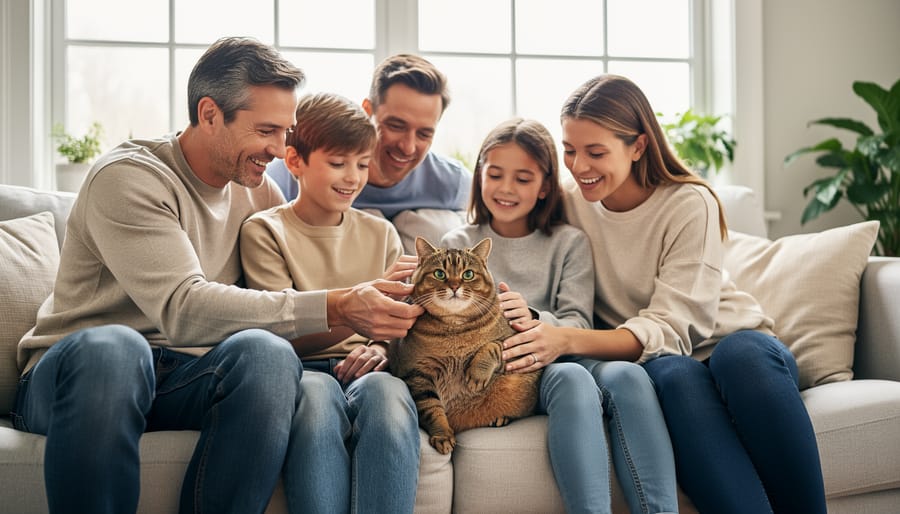
The Manx cat stands out in any room, and not just because of what’s missing. This ancient breed from the Isle of Man carries a natural genetic mutation that affects tail development, resulting in cats born with no tail, a small stub, or occasionally a full tail. That rounded, bunny-like silhouette isn’t just adorable, it’s the result of a sturdy, compact build with a broad chest, strong legs, and a distinctive hopping gait that resembles a rabbit’s movement more than a typical feline’s graceful walk.
What truly makes the Manx special goes far deeper than physical traits. These cats form incredibly strong bonds with their people, often choosing a favorite family member to follow from room to room like a devoted shadow. They’ll greet you at the door, play fetch with crumpled paper, and involve themselves in whatever you’re doing, whether that’s cooking dinner or working at your desk. Their intelligence and curiosity mean they quickly learn routines and can even be trained to walk on a leash or perform tricks.
The breed’s personality reads more like a loyal terrier than an aloof housecat. Manx cats are social, chatty without being loud, and genuinely enjoy interactive play well into adulthood. They get along beautifully with children and other pets when properly introduced, making them ideal companions for active families who want a cat that participates in daily life rather than simply observing from the sidelines. That combination of striking appearance, robust health from responsible breeding, and warm temperament explains why families who adopt a Manx rarely stop at just one.
Understanding Manx Tail Variations
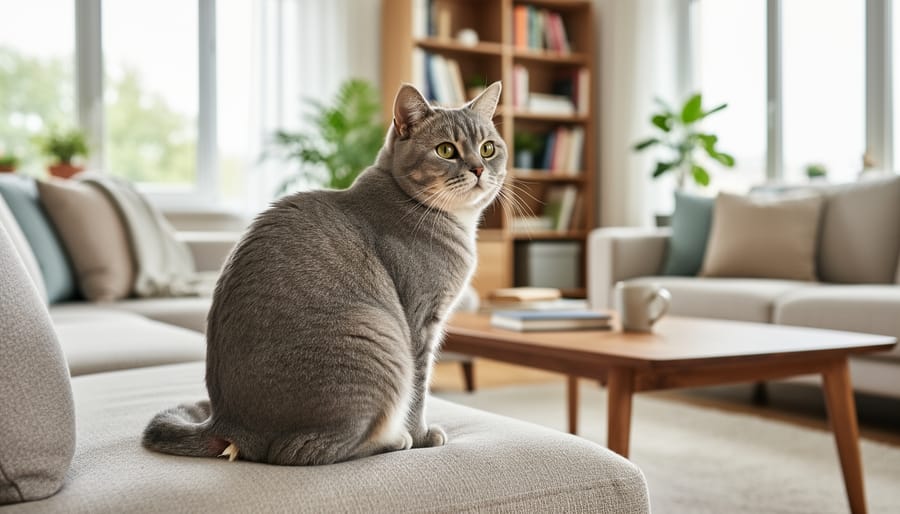
The Manx cat’s most famous feature, its tail, or lack thereof, actually comes in four distinct variations, each with its own charm. Understanding these differences helps prospective owners appreciate the full spectrum of this unique breed.
A rumpy has no tail at all, just a small hollow where the tail would begin. This is the look most people picture when they think of a Manx. The rumpy riser features a tiny bump or knob of one to three vertebrae that you can feel but barely see. A stumpy sports a short, partial tail that’s clearly visible and can wiggle expressively. The longy carries a nearly full-length tail, though it’s often shorter and thicker than tails on other breeds.
Here’s what surprises many people: all four variations are recognized and valued within the breed standard. Tailed Manx cats aren’t “defective”, they’re essential. Responsible breeders actively use longy and stumpy Manx in their breeding programs because crossing two completely tailless cats increases the risk of spinal complications. Testing and monitoring kittens for health issues, as well as the regular use of tailed Manx cats in breeding programs, have proven instrumental in maintaining the breed’s wellbeing.
Whether your Manx is a rumpy or a longy, you’re getting the same wonderful personality and sturdy build. The tail length doesn’t define the cat’s character, health, or ability to be a devoted companion. What matters most is finding a kitten from a breeder or rescue that prioritizes health testing and ethical breeding practices.
Personality and Temperament: Why Families Love Them
Manx cats have earned a reputation as affectionate, people-oriented companions who thrive in family environments. Their social nature makes them especially appealing to households with children, as they tend to be patient, playful, and remarkably tolerant of the enthusiastic affection young kids often dish out. Unlike some breeds that prefer solitude, Manx cats actively seek out human interaction and often follow their favorite person from room to room, earning them the nickname “puppy cats.”
Their intelligence shines through in their love of interactive play. Many Manx owners report their cats quickly learning to fetch toys, respond to their names, and even master simple tricks. This cleverness, combined with their athletic build and surprising agility despite their compact frame, means they need regular mental and physical stimulation. Puzzle feeders, feather wands, and climbing structures keep them engaged and happy.
What truly sets Manx cats apart is their capacity for deep, loyal bonds. They often choose one or two family members as their special people, greeting them at the door and settling beside them in the evenings. Yet they’re rarely aloof with others, welcoming friendly visitors and coexisting peacefully with other pets when properly introduced. Their adaptable temperament makes them excellent candidates for multi-pet homes.
This loving, social personality is exactly what rescue volunteers and adoption counselors look for when matching cats with families. The Manx’s easygoing nature and genuine enjoyment of companionship mean they settle into new homes with enthusiasm, ready to become cherished members of the household. For families seeking a cat who’ll participate in daily life rather than observe from the sidelines, the Manx delivers warmth, humor, and unwavering devotion.
Health Considerations and Responsible Breeding
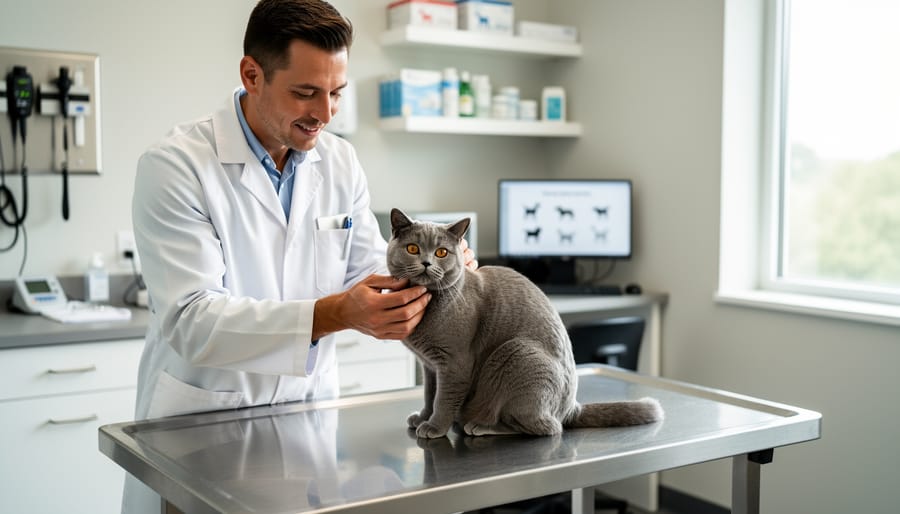
The Manx breed’s distinctive genetics require thoughtful breeding practices to ensure healthy, thriving cats. Responsible breeders prioritize spinal health monitoring from birth, watching for any signs of neurological issues that can occasionally occur in tailless cats. This condition, sometimes called Manx syndrome, affects a small percentage of kittens and can involve difficulties with mobility or elimination. Reputable breeders carefully observe kittens during their first weeks, conducting thorough health assessments before placing them in homes.
Testing and monitoring kittens for health issues, as well as the regular use of tailed Manx cats in breeding programs, have proven instrumental in helping maintain the breed’s vitality. Including longy (full-tailed) Manx in breeding pairs reduces the likelihood of spinal complications while preserving the breed’s other wonderful characteristics. Ethical breeders openly discuss their testing protocols and will show you health records for both parents and kittens.
When you’re considering bringing a Manx into your family, ask potential breeders about their health screening process, the parents’ medical histories, and what support they offer after adoption. A knowledgeable breeder or rescue organization will welcome these questions and provide honest answers about each kitten’s health status. They should also offer a health guarantee and remain available for guidance as your cat grows.
Well-bred Manx cats from sources who prioritize health testing typically live 15 years or more and enjoy active, playful lives without special accommodations. The vast majority of Manx cats experience no health issues related to their tailless trait. By choosing a breeder or rescue that values transparency and proper health monitoring, you’re setting the foundation for many happy years with your tailless companion.
Caring for Your Manx Cat
Caring for a Manx cat isn’t complicated, but understanding their unique needs helps you give them the best life possible. These sturdy, playful companions thrive with consistent routines and plenty of interaction.
Grooming Needs
Manx cats come in both short-haired and long-haired varieties. Short-haired Manx need weekly brushing to remove loose fur and distribute natural oils, while long-haired cats benefit from brushing two to three times per week to prevent matting. Their thick double coat sheds seasonally, so expect more fur during spring and fall. Regular nail trims and dental care round out their grooming routine.
Nutrition and Weight Management
Keep your Manx at a healthy weight, their compact, muscular build masks weight gain easily. Feed high-quality cat food appropriate for their life stage, and measure portions rather than free-feeding. Obesity puts extra stress on their spine, so maintaining proper body condition matters more for this breed than most.
Exercise and Enrichment
Manx cats need active play sessions daily. Their playful, dog-like nature means they’ll chase toys, play fetch, and explore vertical spaces. Provide cat trees, puzzle feeders, and interactive toys to channel their intelligence and energy. They love being part of family activities, so involve them in your daily routine.
Veterinary Care and Litterbox Setup
Schedule annual vet checkups to monitor spinal health and overall wellness. Work with a veterinarian familiar with the breed’s unique considerations. Keep litterboxes clean and accessible, check out our litterbox tips for setup guidance that works well for Manx cats and their sturdy build.
Finding a Manx Cat: Adoption and Breeder Options
If you’re ready to welcome a Manx into your life, you have two main pathways: adoption or working with a breeder. At Lincoln Pet Volunteers, we always encourage adopters to explore pet adoption websites and local shelters first. Many wonderful cats, including Manx and Manx mixes, end up in rescue organizations through no fault of their own and are waiting for loving homes. You can search pet adoption websites and local shelters to see what’s available, or consider cat fostering as a way to help while finding your perfect match. Breed-specific rescues also exist for those seeking purebred Manx cats specifically.
If you choose to work with a breeder, look for someone who health-tests and monitors their kittens carefully and uses tailed Manx cats in their breeding programs to maintain genetic health. Responsible breeders will happily answer your questions about spinal health screening, socialization practices, and their cats’ lineage. The Manx breed is recognized by all major USA and Canadian cat registries, including The International Cat Association and The Canadian Cat Association, so reputable breeders should be able to provide registration papers.
| Option | Cost Range | What to Expect |
|---|---|---|
| Shelter/Rescue Adoption | $75, $200 | Spayed/neutered, vaccinated; may include Manx mixes |
| Pet-Quality Kitten | $600, $1,500 | Purebred with minor cosmetic traits that don’t affect health |
| Show-Quality Manx | $1,500, $2,000+ | Meets breed standards for conformation and competition |
Whatever path you choose, ask plenty of questions and trust your instincts. A good breeder or rescue will want to know about your home and lifestyle to ensure a great match, just as you should feel comfortable asking about health histories, temperament, and ongoing support. The right Manx is out there waiting to hop into your heart and home.
Frequently Asked Questions About Manx Cats
Are Manx cats good with kids and other pets?
Yes, Manx cats are known for their friendly, social nature and typically do very well with children and other household pets. Their playful energy and gentle temperament make them wonderful family companions who enjoy interactive play and attention.
Do Manx cats have special health needs?
Responsible breeders who test and monitor kittens, along with using tailed Manx in breeding programs, help ensure healthy cats. Well-bred Manx cats from knowledgeable sources can live normal, happy lives with regular veterinary care like any other cat.
Are Manx cats recognized as an official breed?
Absolutely. Manx cats are accepted in all major USA and Canadian cat registries, including The International Cat Association and the Canadian Cat Association, making them a fully recognized pedigreed breed.
How long do Manx cats typically live?
With proper care, nutrition, and regular veterinary visits, Manx cats generally live 12 to 15 years, similar to other domestic cat breeds. Some have been known to live even longer when well cared for.
Beyond these common questions, many people wonder about the difference between Manx cats and other tailless breeds they might encounter. The Manx is distinct from breeds like the Japanese Bobtail or American Bobtail because of its genetic origin on the Isle of Man and its unique rounded, cobby body type. The hopping gait you’ll notice in some Manx cats comes from their longer hind legs, another characteristic feature of the breed.
If you’re considering bringing a Manx into your home, remember that adoption from shelters or breed-specific rescues typically runs $75 to $200, while those working with breeders can expect $600 to $1,500 for pet-quality kittens. Whatever path you choose, you’re welcoming a loving, loyal companion who’ll bring joy and personality to your family for years to come.
The Manx cat brings something truly special to a home: boundless affection wrapped in a compact, tailless package, with a personality that feels more like a devoted companion than a typical feline. Their playful energy, gentle nature with children, and remarkable ability to bond deeply with their families make them wonderful additions to households ready to welcome a cat who wants to be part of everything you do.
If you’re considering adding a Manx to your life, adoption offers a beautiful path forward. Shelters and breed-specific rescues occasionally have these unique cats waiting for their second chance, and organizations like Lincoln Pet Volunteers work tirelessly to connect loving families with pets who need them most. Whether you adopt or work with a responsible breeder who prioritizes health and well-being, you’ll be welcoming a companion whose loyalty and charm will bring years of joy.
Every Manx cat deserves a home where they’re cherished, understood, and cared for throughout their lives. By choosing adoption first and supporting rescue work in your community, you’re not just gaining a wonderful pet, you’re making room for another animal in need and celebrating the beautiful difference that compassionate pet ownership makes.