
Finding adoptable pets in your area takes just a few clicks or a short drive. Shelters, rescue groups, and adoption platforms within your community offer hundreds of lovable dogs, cats, and small animals waiting for their forever homes right now. The best part? Most local adoption resources let you browse available pets online, filter by age or breed, and even schedule meet-and-greet visits the same week.
Adopting locally means more than just convenience. You’re supporting organizations that serve your neighborhood, meeting pets who’ve already acclimated to your region’s climate and lifestyle, and building a relationship with a shelter or rescue that can offer post-adoption guidance when questions arise. Whether you’re hoping for a playful puppy, a mellow senior cat, or something more exotic like a rabbit or guinea pig, your community hosts multiple pathways to finding the right match.
The search process has evolved dramatically. You no longer need to visit every shelter hoping to stumble upon the perfect pet. Modern adoption tools let you narrow your search by size, temperament, compatibility with children or other pets, and even special needs accommodations. Many local groups maintain updated profiles complete with personality assessments, health records, and heartwarming backstories that help you connect with an animal before you ever step through the door.
What follows is your complete roadmap to discovering adoptable pets nearby, understanding what each local resource offers, and preparing for a smooth, joyful adoption experience.
Why Adopt a Pet Locally
Adopting a pet from a nearby rescue or foster organization offers advantages that extend far beyond convenience. When you choose local adoption, you’re not just finding a companion, you’re becoming part of a community dedicated to animal welfare and building a support network that lasts long after you bring your new pet home.
Meeting a pet in person before committing to adoption gives you invaluable insight into their personality, energy level, and compatibility with your household. Unlike selecting a pet based solely on photos and descriptions, face-to-face interactions reveal quirks, preferences, and behaviors that help you make an informed decision. Local foster families and shelter staff who’ve spent weeks or months with these animals can answer your questions honestly and share observations you won’t find in an online profile.
The benefits of adopting locally include:
- Access to ongoing support from volunteers and staff who know your pet’s history and temperament
- Contribution to your community’s animal welfare efforts and reduced shelter overcrowding
- Minimized transportation stress on animals, avoiding long-distance travel trauma
- Easy connections to local training classes, veterinary care, and pet-friendly resources
- Opportunities to attend follow-up events and stay connected with the rescue community
Local rescues understand what rescue volunteers do to prepare pets for adoption, from medical care and behavioral assessment to socialization in home environments. This hands-on knowledge transfers directly to you, giving you a head start on successful integration into your family. Plus, when challenges arise, as they sometimes do with any new pet, you have experienced, caring people nearby who genuinely want your adoption to succeed and will offer practical guidance tailored to your specific situation.
Top Ways to Find Adoptable Pets in Your Area
1. Foster-Based Rescue Organizations

Foster-based rescue organizations operate differently from traditional shelters. Instead of housing animals in kennels, groups like Lincoln Pet Volunteers place pets with volunteer families who care for them in typical home environments. This approach reveals how a dog behaves around children, whether a cat tolerates other pets, and what quirks or habits might surface in daily life.
When you connect with a foster network, you’ll typically speak directly with the person currently caring for the animal. These volunteers spend weeks or months observing eating habits, energy levels, leash manners, and social tendencies. They can tell you if a dog becomes anxious during thunderstorms, prefers quiet evenings over active play, or gets along with senior pets. That detailed knowledge helps you make an informed choice rather than relying on a brief shelter visit.
Most foster organizations maintain websites or social media pages showcasing available animals with honest descriptions written by the people who know them best. You’ll find contact information for foster coordinators who arrange meet-and-greets, answer questions about specific pets, and guide you through their adoption process. Many rescues save lives one foster at a time making each placement a collaborative effort between volunteers and adopters.
The main advantage here is transparency. Foster families want successful matches, so they share both the delightful traits and the challenges. You’ll know upfront if a pet needs medication, thrives in apartments, or requires experienced handling.
2. Local Animal Shelters and Humane Societies
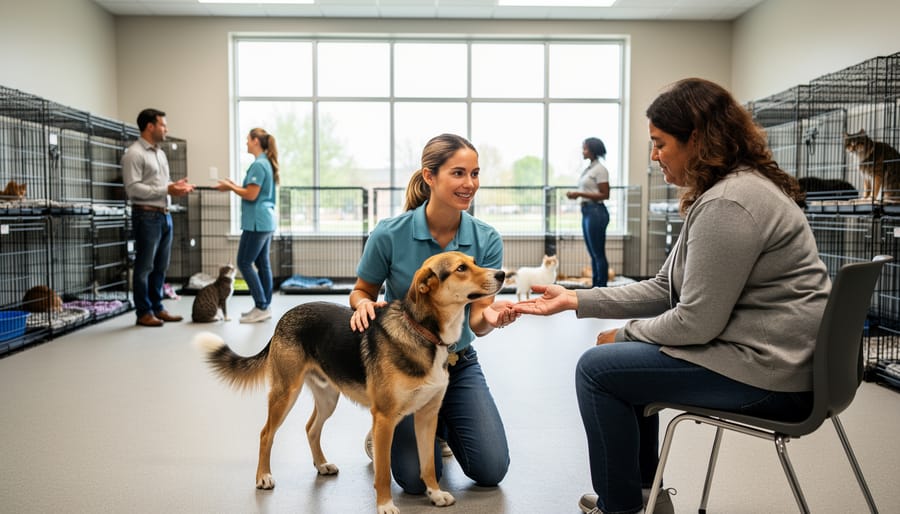
Municipal and nonprofit shelters house a wide range of animals, dogs and cats of all ages, occasionally rabbits, guinea pigs, and birds, making them ideal starting points for finding your next companion. These facilities typically operate walk-in hours, allowing you to browse available pets, ask staff questions, and often meet animals the same day without an appointment.
Most shelters maintain online galleries showing current residents, complete with photos, ages, temperament notes, and any known medical history. You can narrow your search before visiting, then request to spend time with specific animals in a quiet room or outdoor play yard. Staff members facilitate introductions and share observations about each pet’s personality, energy level, and any special needs.
The adoption process usually involves completing an application, providing references, and sometimes a brief interview about your living situation and experience with pets. Many shelters require landlord approval if you rent. Approval can happen within hours or take a few days depending on workload.
Adoption fees generally range from $50 to $300, and fees include vaccinations spay or neuter surgery, microchipping, and an initial health check. Some organizations offer reduced rates for senior pets or special adoption promotions. You’ll leave with medical records and often a starter supply of food, making the transition home smoother.
3. Online Adoption Platforms with Location Filters
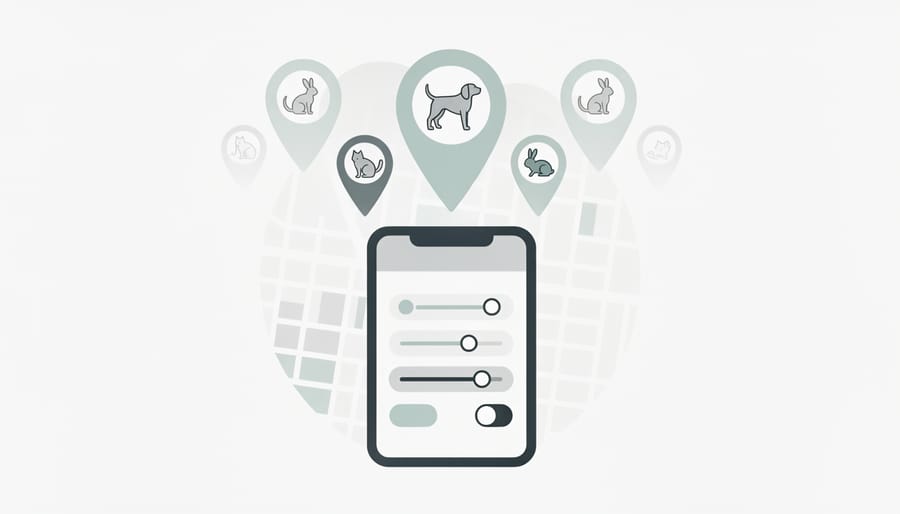
National and regional pet adoption websites let you browse hundreds of adoptable animals without leaving home. Sites like Petfinder, Adopt-a-Pet, and regional rescue databases allow you to enter your zip code or city name, then filter results by distance, typically anywhere from 10 to 100 miles from your location.
Start with broad filters to see what’s available, then narrow by species, breed, age, size, and energy level. Most platforms include special needs filters, helping you find pets requiring extra care or those well-suited to first-time owners. Each listing usually features photos, personality descriptions, medical history, and the organization’s contact information.
Before reaching out, verify the listing’s legitimacy. Genuine rescues and shelters provide clear contact details, transparent adoption processes, and never ask for payment before you’ve met the animal. Watch for red flags like requests for wire transfers, reluctance to arrange video calls or visits, or vague answers about the pet’s background. Cross-reference the organization’s name with local reviews or their official website.
Save your favorite profiles and contact multiple organizations at once. Desirable pets move quickly, so casting a wider net increases your chances of finding the right match. Most platforms update daily, making regular check-ins worthwhile.
4. Community Adoption Events
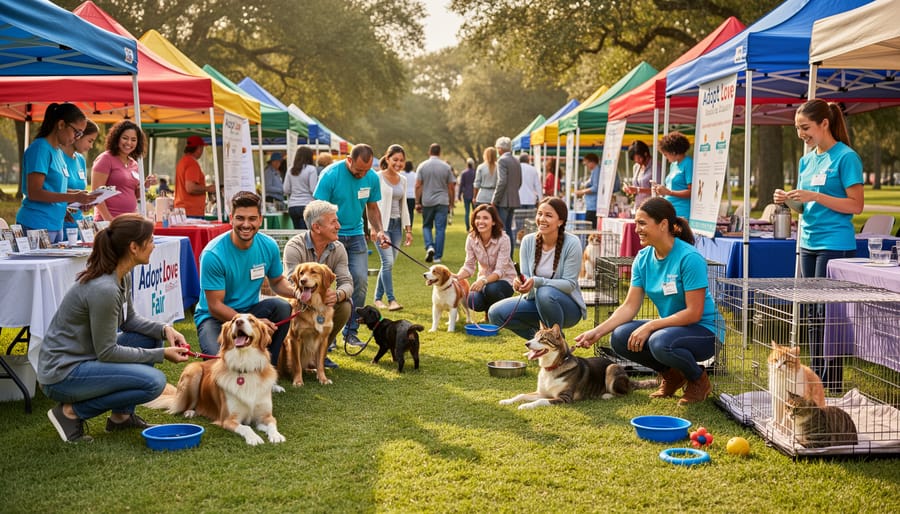
Community adoption events bring together multiple rescue organizations, foster families, and dozens of adoptable pets in one accessible location. These gatherings, held at parks, pet stores, community centers, and farmers markets, let you meet a variety of animals without scheduling separate appointments at different shelters.
The real advantage is face-to-face interaction with the people who know each pet best. Foster volunteers can answer specific questions about an animal’s quirks, energy level, and compatibility with kids or other pets. You’ll hear honest insights about whether a shy dog might thrive in a quiet home or if that playful kitten needs a companion.
Adoption fairs also create low-pressure environments for families to observe how pets interact with children, noise, and crowds. Many events feature demonstrations, training tips, and instant access to adoption counselors who can start applications on the spot.
Check local rescue websites and social media pages for event schedules. Most organizations post calendars several weeks in advance. Arriving early gives you the best selection, but late afternoon often means volunteers have more time for detailed conversations. Bring questions, an open mind, and your household members to help gauge everyone’s connection with potential new family members.
5. Breed-Specific Rescues
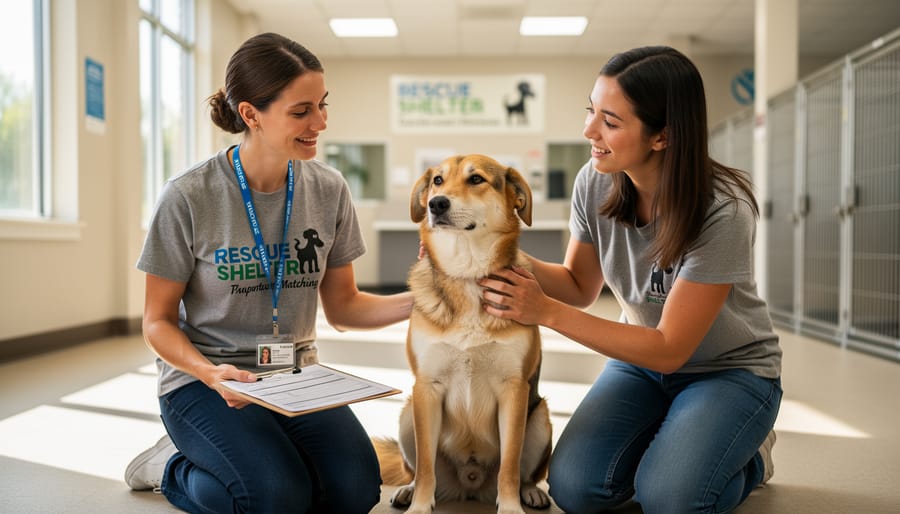
Breed-specific rescues focus on particular dog and cat breeds, from Golden Retrievers and German Shepherds to Maine Coons and Siamese cats. Many operate regionally or nationally but serve local adopters through coordinated transport networks and foster homes scattered across multiple states.
If you’ve set your heart on a specific breed or know which temperament and traits fit your lifestyle best, these rescues can be ideal. They often have deep expertise about the breed’s health issues, exercise needs, and behavioral quirks. Volunteers typically assess each animal’s personality in a home setting before matching them with adopters.
The process usually involves a detailed application focusing on your experience with the breed and your living situation. Most require a home visit, either virtual or in-person, to ensure your environment suits the breed’s needs. If the rescue operates outside your immediate area, they’ll arrange transport, sometimes meeting you partway or coordinating with local volunteers.
Adoption fees for breed-specific rescues tend to run higher than general shelters, often $300 to $600, reflecting specialized veterinary care and transport costs. You’re gaining a thoroughly vetted pet and ongoing breed-specific guidance from passionate experts.
6. Social Media and Local Groups
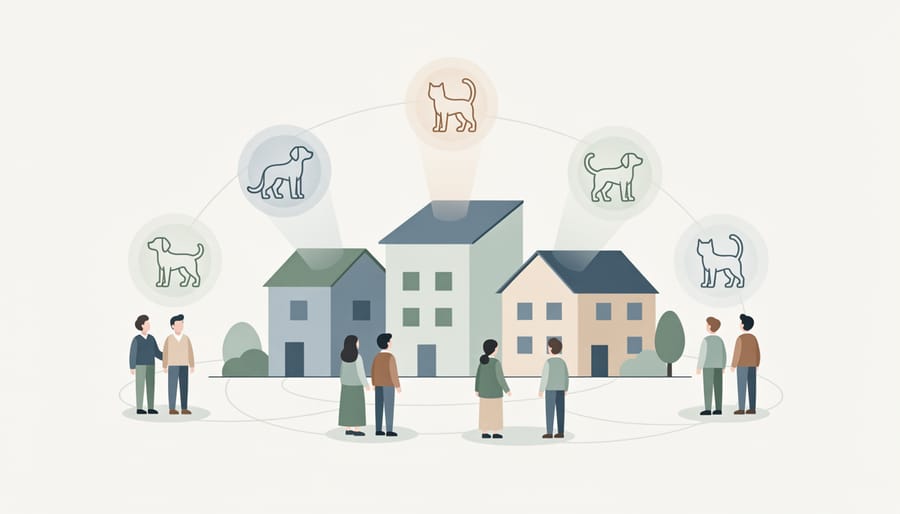
Social media has become a powerful tool for connecting pets with new homes in your immediate area. Local Facebook groups dedicated to pet adoption, lost and found pets, or general neighborhood updates often feature posts from families needing to rehome their animals due to moves, allergies, or life changes. Nextdoor brings even more geographic precision, letting you see available pets within specific blocks or subdivisions. Community bulletin boards at libraries, coffee shops, and grocery stores also list pets seeking homes.
These direct connections offer unique advantages. You can speak directly with the current owner, learn the pet’s complete history, and sometimes arrange same-day meetings. Foster-to-adopt arrangements through local volunteers occasionally surface in these channels too, giving you a trial period before committing.
However, approach these sources carefully. Always meet in safe, public locations first. Ask for veterinary records proving current vaccinations and spay/neuter status. Request references if adopting from someone you don’t know personally. Be wary of anyone rushing the process or unwilling to answer basic questions about the pet’s health and behavior. A legitimate rehoming situation involves someone who cares about their pet’s future and wants to ensure a good match, not just a quick handoff.
7. Veterinary Clinics and Pet Stores
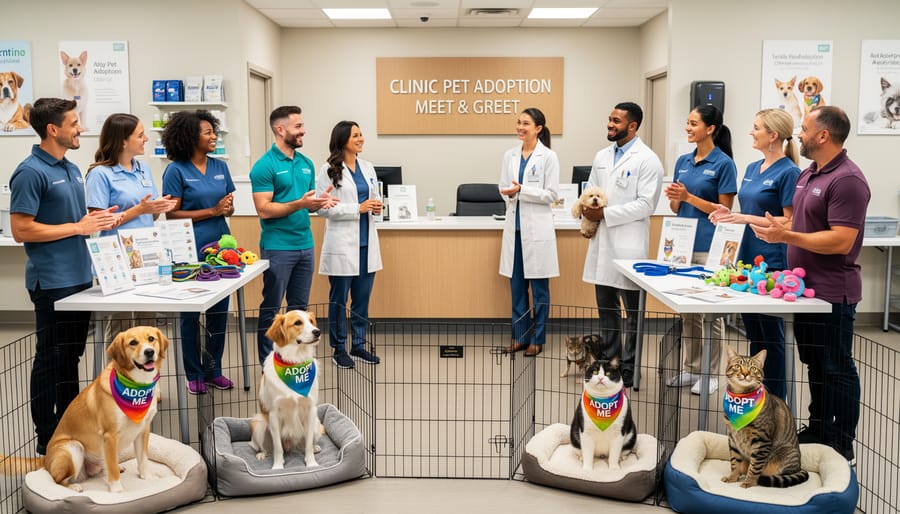
Local veterinary clinics and pet supply stores have become unexpected hotspots for finding adoptable pets. Many vets partner with nearby rescues to host animals in their waiting rooms or dedicated adoption corners, giving potential adopters a chance to meet pets during routine visits or while shopping for supplies. These partnerships work well because the animals are already in a medical environment where staff can answer health questions on the spot.
One major advantage here is transparency. Clinic-hosted pets typically come with complete vaccination records, spay/neuter documentation, and recent exam notes, all verified by the hosting vet. You’re not relying on secondhand information about a pet’s health status. Staff can explain any ongoing treatments, special dietary needs, or behavioral observations they’ve made while caring for the animal.
Pet supply stores that collaborate with rescues often set up weekend adoption events or permanent display areas. Unlike browsing online, you can interact with the animal while surrounded by knowledgeable employees who’ve spent time with them. You might discover a calm senior cat while picking up litter, or meet an energetic puppy that matches your active lifestyle.
These locations also offer immediate practical support. Adopters can purchase supplies right there and get staff recommendations on food brands, crate sizes, or toys suited to their new pet’s temperament.
Practical Steps for Adopting a Pet Near You
Starting your adoption journey involves a few straightforward steps that help ensure a good match between you and your new companion.
Initial Contact and Application
Reach out to the rescue organization, shelter, or foster coordinator whose pet caught your eye. Most groups require a written application covering your living situation, household members, experience with pets, and what you’re looking for in a companion. Be honest and thorough, this information helps match you with the right animal, not screen you out.
Review and Approval
Expect a follow-up call or email within a few days. Coordinators may ask clarifying questions about your routine, yard setup, or other pets. This conversation is collaborative, not interrogative, volunteers want to help you succeed. Approval times vary from same-day to two weeks, depending on the organization’s size and volunteer availability.
Home Visit or Meet-and-Greet
Many rescues conduct a brief home visit to ensure your space is safe and appropriate for the specific pet you’re adopting. This typically takes 30 minutes and covers basics like secure fencing, household hazards, and where the pet will sleep. Alternatively, shelters may schedule an on-site meet-and-greet where you’ll spend time with the animal to confirm compatibility. Understanding the complete adoption process before you begin helps set realistic expectations.
Finalizing the Adoption
Once approved, you’ll sign an adoption contract outlining your responsibilities and any return policies. Adoption fees generally range from $50 to $400, covering spay/neuter surgery, vaccinations, microchipping, and sometimes initial veterinary care. Payment methods vary, most accept cash, cards, or checks.
Bringing Your Pet Home
Pickup is usually scheduled within days of final approval. Bring a collar, leash or carrier, and any supplies the foster or shelter recommends. Most organizations provide medical records, feeding instructions, and contact information for post-adoption support.
What to Know Before Your Visit
Walking into a shelter or meeting a foster family for the first time works best when you’re prepared. Bring a valid photo ID and proof of address, as most organizations require these for applications. If you rent, bring your lease or a letter from your landlord confirming pet permission, this saves time and prevents heartbreak later. Bring the whole family, too. Everyone who’ll live with the pet should meet them to ensure compatibility and shared enthusiasm.
Ask foster families or coordinators specific questions: What’s the pet’s daily routine? How do they react to other animals, children, or being alone? Are there any behavioral quirks or medical needs? These conversations reveal whether a pet fits your lifestyle and help you prepare your home accordingly.
Before your visit, decide what you can realistically handle. A high-energy dog needs daily exercise and mental stimulation. A shy cat may require patience and a quiet environment. Walk through your home and pet-proof: secure loose wires, remove toxic plants, and designate a safe space for your new companion’s first few days.
| Fee Type | Typical Range | What’s Included |
|---|---|---|
| Adult Dog | $150, $300 | Spay/neuter, vaccinations, microchip, initial vet exam |
| Puppy | $250, $400 | Age-appropriate vaccines, microchip, spay/neuter (or voucher) |
| Adult Cat | $75, $150 | Spay/neuter, vaccinations, microchip, FeLV/FIV testing |
| Kitten | $100, $200 | Initial vaccines, microchip, spay/neuter (or voucher) |
Adoption fees cover essential medical care that would cost significantly more if paid separately. You’ll still need to budget for food, supplies, and ongoing veterinary care. Some rescues offer discounts for senior pets or animals with special needs, making adoption even more accessible. Arriving informed and ready shows you’re serious about providing a loving home, and it helps coordinators match you with the right companion faster.
Local Tips for a Successful Adoption Match
Finding the right pet goes beyond browsing profiles, it requires insight into what makes a lasting match. Foster families spend weeks observing their animals and can tell you things no shelter kennel reveals: does the dog panic during thunderstorms, does the cat hide from visitors, how does the pet respond to children or other animals? Ask specific questions about daily routines, quirks, and challenges rather than just temperament generalities.
Your lifestyle determines success more than your wish list does. A high-energy border collie needs more than weekend hikes, it demands daily mental stimulation and physical outlets. An older cat suits apartment life and work-from-home schedules better than a rambunctious kitten. Be honest about your schedule, activity level, and home setup when talking with adoption coordinators. They’re matching for compatibility, not judging your life.
Build relationships with local rescue volunteers, not just one-time transactions. Attend volunteer opportunities or fundraisers even before you’re ready to adopt, you’ll learn what to look for and gain trusted contacts who remember you when the right pet arrives. Organizations like Lincoln Pet Volunteers offer training classes and behavioral support that continue long after adoption day, helping you troubleshoot challenges and strengthen your bond.
Visit during different times of day if possible. A dog might seem calm in the morning but anxious at feeding time, or a cat relaxed during quiet afternoons but stressed when the shelter gets busy. Observing these variations helps you understand what you’re really bringing home.
Frequently Asked Questions
How long does the adoption process typically take?
Adoption timelines vary by organization, but most local rescues and shelters complete the process within one to two weeks. This includes application review, reference checks, a home visit or virtual walkthrough, and scheduling your pet’s pickup or delivery.
Can I meet a pet before submitting an adoption application?
Yes, meeting pets beforehand is encouraged. Shelters offer walk-in visiting hours, while foster-based rescues like Lincoln Pet Volunteers arrange meet-and-greets after an initial phone conversation to match you with compatible animals.
What if I rent my home?
Most rescues require landlord approval before finalizing an adoption. Have your lease handy and contact your property manager early to confirm pet policies, weight limits, and any required deposits.
Are older pets harder to adopt out?
Senior pets often stay in rescue care longer, but they make wonderful companions, they’re typically calmer, already trained, and their personalities are fully developed. Many organizations waive or reduce fees for older animals to encourage adoption.
What kind of post-adoption support will I receive?
Local rescues generally provide a transition period with follow-up calls, access to foster families for behavior questions, and referrals to trainers or veterinarians. Some organizations offer discounted training classes and ongoing advice as your pet settles in.
Do I need to adopt from the first organization I contact?
Not at all. You’re free to explore multiple rescues, attend several adoption events, and meet different animals until you find the right match for your family and lifestyle.
These questions come up constantly, and having clear answers upfront removes uncertainty from what can feel like an intimidating process. The rescues and shelters in your area want you to succeed, which is why they’ve built in safeguards like meet-and-greets, trial periods, and accessible support networks. If a question isn’t covered here, reach out directly, adoption coordinators would rather answer ten questions now than have a placement fail later because someone felt hesitant to ask.
Finding your perfect companion starts with a single step, whether that’s visiting a local shelter, connecting with a foster organization like Lincoln Pet Volunteers, or attending a community adoption event. Every pet deserves a loving home, and adopting locally means you’re not just gaining a loyal friend; you’re saving a life and strengthening your community’s commitment to animal welfare.
You won’t be navigating this journey alone. Foster families, shelter staff, and volunteers are ready to share their knowledge, answer your questions, and support you long after adoption day. They’ve seen firsthand how the right match transforms both pets and people.
Your future companion is out there, waiting to meet you. Take that first step today, your forever friend is closer than you think.