A community advocate is someone who uses their voice, time, and connections to raise awareness and support for a cause, particularly in animal welfare by promoting rescue organizations, helping animals find homes, and educating the public about responsible pet ownership. Unlike the hands-on volunteer role that requires daily shelter shifts or fostering responsibilities, advocacy offers a flexible way to make a real difference from wherever you are, whether that’s sharing a Facebook post about a dog in need, hosting a donation drive at your office, or simply telling your neighbor about the amazing work your local rescue does.
This role has become essential to animal welfare because rescues can only help as many animals as people know they exist. A single share can connect the right family with their future best friend. Community advocates serve as the bridge between shelters struggling with overcrowding and capacity and communities filled with people who’d love to help but don’t know how. You don’t need special training or a big time commitment. You just need to care enough to speak up when it matters.
What a Community Advocate Really Means
A community advocate in animal welfare is someone who uses their voice, connections, and everyday actions to help animals in need. You don’t need a title, a degree, or even formal training. If you’ve ever told a friend about a dog up for adoption, shared a rescue post on social media, or explained to a neighbor why spaying matters, you’ve already done the work of a community advocate.
This role lives in the space between caring deeply and taking small, consistent actions. Community advocates bridge the gap between animals waiting for homes and the people who might love them. They answer questions about local rescue organizations, dispel myths about shelter pets, and help their communities see that adoption is both rewarding and accessible.
- Advocate
- A person who actively supports and speaks up for animals in need, using their voice and influence to create positive change in their community.
- Foster-based rescue
- An animal welfare organization that places pets in temporary home environments with volunteers rather than housing them in a central shelter facility.
- Community outreach
- Efforts to engage, educate, and connect with local residents about animal welfare issues and rescue opportunities.
- Animal welfare education
- The process of teaching people about responsible pet ownership, the benefits of adoption, and how to support animals in their community.
Unlike formal advocacy roles that might require specific credentials or job responsibilities, community advocates work informally within their own circles. You’re not representing an organization in an official capacity or lobbying for policy changes. Instead, you’re the friend who knows which rescue to call, the neighbor who helps find a lost dog’s owner, or the coworker who gently suggests adoption over buying from a breeder. Your power comes from authenticity and proximity, not from a position or platform.
How Community Advocacy Works in Animal Rescue
Building Bridges Between Pets and People
You already know people who’d love to adopt, foster, or support animals, they just don’t know where to start or that rescue is an option. That’s where you come in. Community advocates connect the dots between pets waiting for homes and the neighbors, coworkers, and friends who’d be perfect matches. When you share a foster dog’s goofy personality on social media, mention a senior cat looking for a quiet home during coffee with a colleague, or help someone find a pet near me you’re creating pathways that formal marketing can’t reach.
Your personal endorsement carries weight. You can vouch for a specific animal’s temperament, explain how the adoption process actually works, or reassure someone nervous about fostering that they’ll have support. Research on community support and fosters shows that personal connections dramatically increase foster and adoption rates. When you tell the story of how your foster dog learned to trust again or how your neighbor found the perfect companion through rescue, you’re not just sharing information, you’re giving people permission to imagine themselves as part of the solution.
Education and Awareness in Your Circle
Community advocates excel at turning everyday conversations into teaching moments. When a neighbor mentions getting a new puppy, you can share what you’ve learned about training resources and local vet clinics. When someone asks where you got your rescued cat, that’s your opening to talk about the animals still waiting at the shelter.
The spay and neuter conversation matters most. Many people don’t realize how quickly spaying neutering reduces unwanted litters and prevents the heartbreak of animals ending up homeless. You don’t need to lecture. Simply mentioning affordable spay and neuter programs when the topic comes up plants seeds that grow into action.
Your circle trusts you more than they trust advertisements or statistics. When you explain how spay neuter reduces shelter intake based on what you’ve seen through volunteering, people listen. Share the reality that shelter dogs make wonderful pets, that senior animals have so much love to give, and that adoption saves lives. These small conversations shift perspectives one person at a time.
Different Ways to Be a Community Advocate
The Everyday Advocate
You don’t need a title or official role to make a difference. The everyday advocate is simply someone who naturally brings up animal welfare in regular life. When a coworker mentions wanting a dog, you suggest checking out local rescues first. When you see a great adoption story, you share it on Facebook. You recommend your favorite pet organization when friends ask where to volunteer or donate.
These small moments add up. A casual mention of spay/neuter benefits during a neighborhood chat might prevent an accidental litter. Your Instagram post about a foster dog could reach the perfect adopter. The everyday advocate turns ordinary interactions into opportunities to help animals, without ever feeling like work.
The Active Volunteer Ambassador
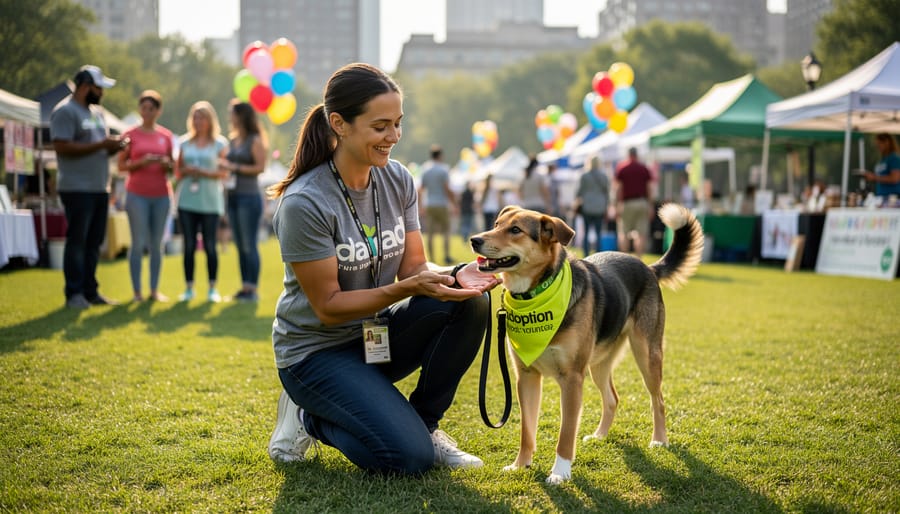
Active volunteer ambassadors step into a more visible role, representing animal welfare organizations at adoption events, community fairs, and local gatherings. These advocates often complete training sessions to learn about the organization’s mission, animal behavior basics, and how to answer common questions from the public. They might staff a booth at a farmers market, speak to school groups about responsible pet ownership, or help coordinate fundraising events.
What sets these ambassadors apart isn’t necessarily more time, they’re not always fostering or working daily with animals, but rather their willingness to be a public face for the cause. They’re comfortable starting conversations with strangers, sharing adoption success stories, and explaining how community members can get involved. Many organizations provide ambassadors with materials, talking points, and ongoing support, making this role accessible even to those new to animal advocacy.
The Foster Family Voice
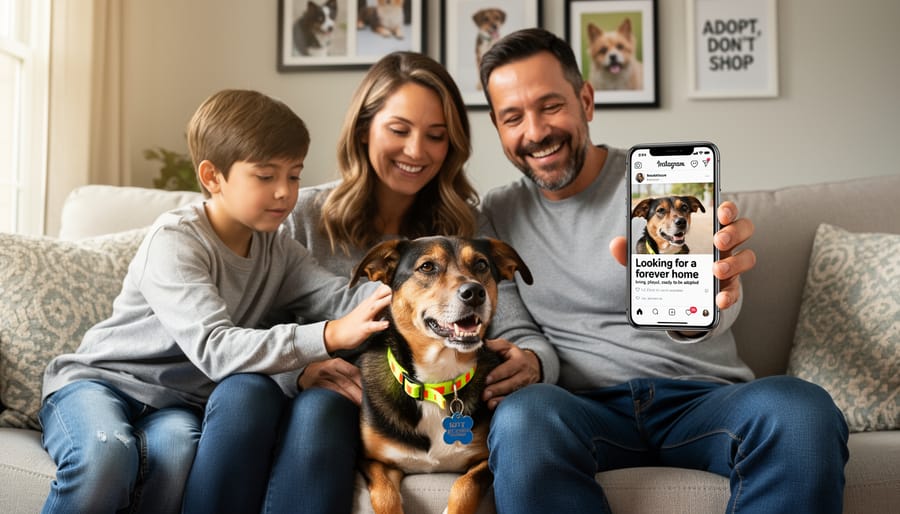
Foster families become some of the most effective advocates simply by sharing their journey. When you open your home to an animal in need, you learn their quirks, preferences, and personality in ways shelter staff can’t fully capture. That insider knowledge transforms you into the perfect matchmaker. Posting updates about your foster’s progress, sharing videos of their playful moments, and describing their ideal home helps potential adopters see the real dog or cat behind the kennel photo. These foster advocates don’t need formal training or public speaking skills. They just tell their foster pet’s story honestly, answer questions from interested friends, and celebrate when the right family appears. The personal connection foster families build makes their advocacy incredibly powerful because they’re vouching for an animal they truly know and love.
Where Community Advocates Make the Biggest Impact
Community advocates create the most meaningful change in moments when animals need a human voice most. Their impact ripples through both individual lives and systemic challenges in animal welfare.
At adoption events, advocates transform browsing into belonging. They share personal stories about the dogs they’ve fostered or the cats their neighbors adopted, making the abstract idea of rescue real and relatable. A couple hesitating over whether they’re “ready” often finds confidence through a five-minute conversation with someone who’s been there. Advocates know which questions matter and which fears are normal, and they help potential adopters see past kennel anxiety to the personality underneath.
Community education programs depend entirely on advocates willing to show up. Whether it’s a library talk about pet preparedness or a school presentation on kindness to animals, advocates bring authenticity that brochures can’t match. They’re the ones explaining to new pet owners why spaying matters, helping families understand what “breed-specific needs” actually means in daily life, and gently correcting myths about shelter animals being “damaged goods.”
The behind-the-scenes impact runs deeper still:
- Increasing adoption rates by personally connecting animals with potential families
- Reducing shelter overcrowding through awareness and resource sharing
- Preventing pet surrender by educating owners before problems escalate
- Recruiting foster families from within their own social circles
- Building sustained community support for animal welfare funding and programs
During emergencies, advocates mobilize networks fast. When a hoarding situation surfaces or a family faces sudden homelessness, advocates rally foster homes, supplies, and temporary solutions while formal systems catch up. They know who has an extra crate, who can transport animals, and which vet might donate services.
Fundraising efforts gain traction when advocates lend their personal credibility. Someone asking friends to support a cause they actively volunteer for carries weight that generic campaigns don’t. They turn “donate to animal rescue” into “help the organization that helped me save three lives last month.”
How to Become a Community Advocate (No Experience Needed)
You don’t need special training or credentials to become a community advocate. Start by sharing your own adoption story with friends, or post about an animal awaiting adoption on your social media. When someone mentions wanting a pet, talk about rescue options instead of just nodding along. These small conversations create ripples that reach more people than you might imagine.
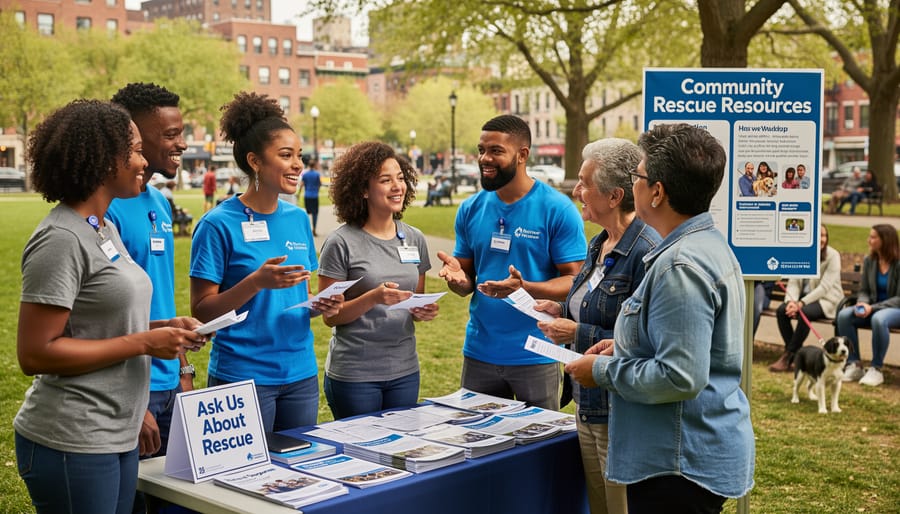
Connect with a local organization to learn about their current needs. Most rescue groups welcome advocates who attend adoption events, share posts, or simply spread the word in their neighborhoods. If you’re ready for more structured involvement, explore volunteer opportunities that let you represent the organization at community gatherings or educational events.
The key is starting where you are. Love dogs? Talk about the benefits of rescue pups when you’re at the park. Have kids? Teach them about compassionate treatment of animals. Work in an office? Mention pet adoption during lunch conversations. Advocacy grows from genuine enthusiasm, not from following a script. Your personal connection to animal welfare makes your voice authentic and persuasive in ways that formal campaigns cannot replicate.
Common Questions About Community Advocacy
Many people hesitate to call themselves advocates because they worry they’re not qualified or don’t have enough time. The truth is, community advocacy is incredibly flexible and welcomes everyone regardless of experience or availability.
Do I need special training to be a community advocate?
No formal training is required. If you care about animals and can share information about adoption, fostering, or volunteering with your network, you’re already equipped to advocate. Organizations like Lincoln Pet Volunteers offer resources and guidance, but your genuine passion is the most important qualification.
How much time does community advocacy take?
As much or as little as you have available. Some advocates spend five minutes sharing a post, while others dedicate a few hours monthly to events. There’s no minimum commitment, and every action counts.
What if I can’t foster or adopt right now?
Advocacy doesn’t require opening your home. You can support animals by spreading awareness, attending events, connecting people with resources, or simply talking about the importance of rescue work in your community.
How do I handle conversations with people who don’t understand rescue?
Lead with stories rather than criticism. Share positive adoption experiences, explain the challenges animals face without judgment, and focus on solutions. Most people respond better to inspiration than guilt.
Remember that advocacy grows with you. Start with whatever feels comfortable, whether that’s commenting supportively on rescue posts or mentioning adoption to a friend looking for a pet. Your confidence and involvement will naturally expand as you see the impact of your voice.
Every rescue story starts with someone who cared enough to speak up. That person could be you.
Community advocates aren’t superheroes with special training or unlimited free time. They’re regular people who love animals and believe every pet deserves a chance at a happy life. Some spend five minutes sharing an adoption post. Others volunteer at weekend events. Many simply talk honestly with friends about why adoption matters. All of them make a real difference.
You don’t need to change your whole life to become an advocate. You just need to start somewhere. Share a story that moves you. Recommend adoption to someone looking for a pet. Learn one new thing about animal welfare and pass it along. These small actions ripple outward in ways you might never see, but they matter more than you know.
At Lincoln Pet Volunteers, we’ve watched our community transform through the collective voice of people just like you. When neighbors support neighbors and everyone plays a part, amazing things happen for animals in need. Your voice adds to that chorus, and we’d love to have you join us in making our community a better place for every pet.