The short answer: training a smart dog starts with engagement, focus, and impulse control, and you can begin teaching all three at home in a few minutes a day, whatever your dog’s age. Bright dogs pick things up fast, which is wonderful and a little tricky. They learn the good habits quickly, and the not-so-good ones just as quickly, so early, kind, consistent guidance matters.
This guide is for two kinds of readers. Some of you simply want to help your own clever companion settle into good manners. Others are curious about becoming a professional trainer, and there are real paths for that too, including online programs like Dog Trainer Foundations and Dog Trainer Professional, which leads to a professional certification. Tuition for the Professional program starts from $5,600, so it’s a serious commitment worth weighing carefully.
We’ll walk through how to choose the right approach, what you’ll need, safety basics, and a step-by-step process built on positive reinforcement. You’ll also learn how to tell whether it’s working and where to turn next. Every dog is a learner at heart, and a little patience goes a long way.
What “Smart Dogs Dog Training” Really Means (and Who It’s For)
Training Paths for Pet Owners vs. Aspiring Trainers
Not everyone who wants smart dogs dog training is headed down the same road, and that’s perfectly okay. The right path depends on what you hope to do with what you learn.
If you share your home with a dog, whether a bouncy puppy, a shy newcomer, or a wise senior, workshops are a lovely place to begin. They’re designed to help dogs of any age learn engagement, focus, and impulse control, and the exercises build a stronger connection between you and your dog while teaching them at the same time. You don’t need any prior experience, just a willingness to show up and enjoy the process.
If you’re dreaming bigger, there are online courses for people who want to train other people’s dogs. Dog Trainer Foundations is a starting point, while Dog Trainer Professional is for highly motivated trainers who want to advance their knowledge, skills, and career prospects. Graduates earn a professional dog trainer certification.
And for those drawn to the toughest puzzles, the Behavior Consulting Program focuses on assessing and managing complex canine behavior cases, using applied behavior science and positive reinforcement. It’s a thoughtful fit if you want to help dogs with deeper challenges.
What You’ll Need Before You Begin: Tools, Materials, and Mindset
Good news: you don’t need fancy gear to start. A few simple things and a calm attitude go a long way, especially with a dog who’s still settling in. If your pup is a recent adoptee, those first 90 days are a lovely time to build trust through gentle, rewarding practice.
Here’s a simple checklist for engagement and impulse-control sessions at home:
- A comfortable collar or well-fitted harness that your dog doesn’t mind wearing.
- A regular leash that gives you easy, relaxed control.
- Small, soft treats your dog loves, so rewards are quick and easy to swallow.
- A quiet space with few distractions, like a hallway or spare room.
- A clicker or a short marker word like “yes,” if you’d like a clear signal for good choices.
- A patient mindset: keep sessions short, expect small steps, and celebrate every little win.
That last item matters most. Dogs learn best when practice feels like a game, so end each session while your pup is still happy and curious.
If you’re thinking about becoming a trainer, the main things to bring are time and a real love of learning. Programs like Dog Trainer Foundations and Dog Trainer Professional are online, so you’ll want a steady routine for study and plenty of hands-on practice with dogs. Check with the provider about what the coursework asks of you before you commit.
Safety First: Keeping Training Kind, Calm, and Comfortable
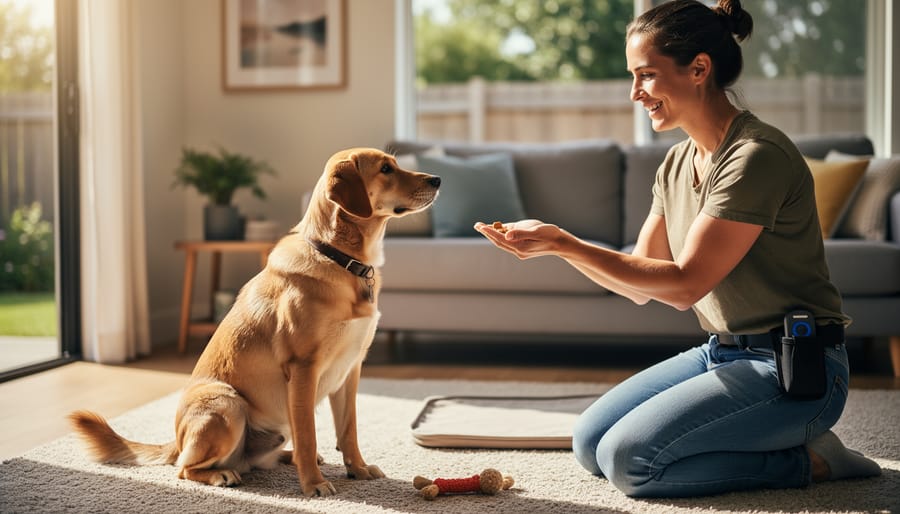
Training should feel like a happy game for your dog, and a little awareness goes a long way toward keeping it that way. Dogs tell us how they feel through body language, so learn to watch for the quiet signals that say “this is a bit much.” Yawning, lip licking, turning away, sniffing the ground, or heading off to hide are all gentle ways a dog asks for a break.
When you notice those signs, simply pause. Keep sessions short, a few minutes at a time, and end while your dog is still enjoying themselves. Never use pain, fear, or harsh corrections, because those can make a dog feel unsafe and slow down their learning. Reward-based training builds trust, and trust is what helps a nervous or newly adopted pup settle into their forever home with confidence.
Some behavior concerns are bigger than a few at-home exercises can solve, and that’s completely okay. Professionals trained in applied behavior science and positive reinforcement can assess complex cases and build a plan that keeps your dog comfortable. Asking for help is one of the kindest things you can do for your pup.
Step-by-Step: Picking a Program and Starting Engagement Exercises
Reviewing Training Methods: Positive Reinforcement in Plain Language
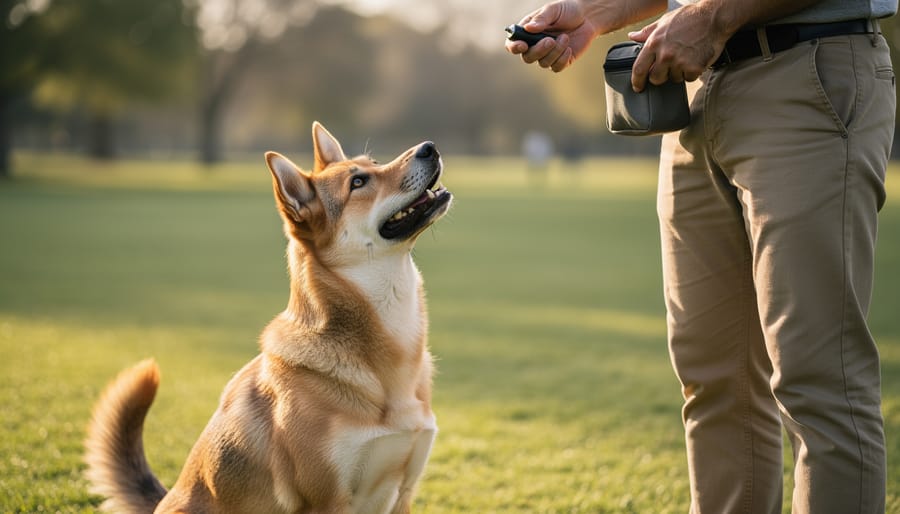
Positive reinforcement training is simply teaching with rewards. When your dog does something you like, such as glancing at you, sitting calmly, or waiting at a door, you mark the moment and offer a small treat or kind word. Dogs repeat what feels good, so the good habits grow. The programs in this space build on applied behavior science and aim to teach engagement, focus, and impulse control, with nothing built on fear.
Picture a nervous rescue dog who freezes when the world gets loud. At first, a single glance toward their person earns a soft “yes” and a tiny treat. Soon the dog starts checking in on their own, because looking to you has become the safest, happiest choice. That is trust being built, one small win at a time.
Here’s a simple path to follow as you get started:
- Choose the type of program that matches your goals, whether that’s home practice or a trainer pathway.
- Read how the provider describes its methods and look for reward-based, positive reinforcement language.
- Check dates, locations, and pricing directly with the provider, since these can change.
- Confirm trainer credentials and ask how they handle a dog who feels unsure.
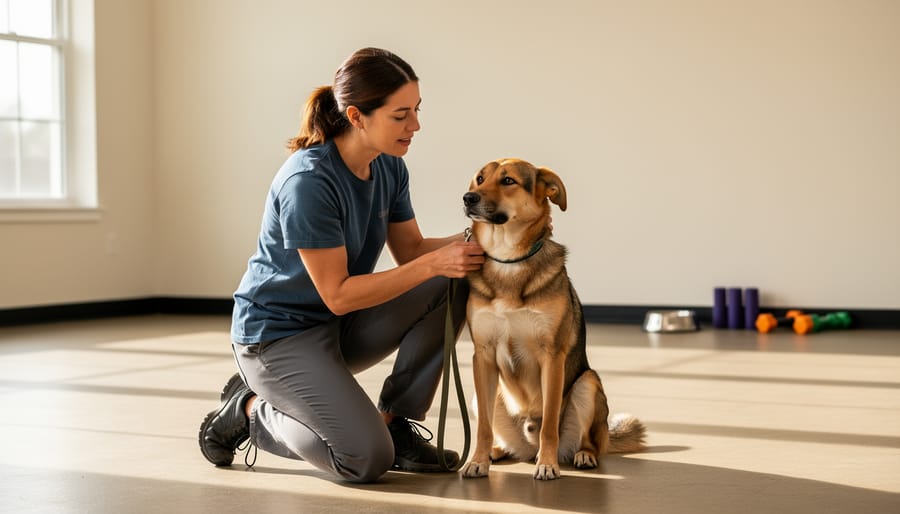
- Try a first engagement session at home: a few minutes, soft treats, and a reward every time your dog looks at you.
Keep that first session short and cheerful, and end while your dog is still happy.
Key Details to Know About Programs and Pricing
If you’re weighing your options, a few facts are worth knowing. The online course lineup includes Dog Trainer Professional and Dog Trainer Foundations. The Professional program is built for highly motivated trainers who want to grow their knowledge, skills, and career prospects, and graduates earn a professional dog trainer certification. If you want to see how credentials like this are viewed more broadly, the CCPDT dog trainer certification is one example of an independent standard in the field.
Tuition for Dog Trainer Professional starts from $5,600. That’s a real investment, so it helps to compare it with everyday expenses too. Our guide to dog training cost shows what pet owners typically budget for hands-on help.
Dates and locations aren’t something we can confirm here, so reach out to the provider directly. A quick conversation can settle your questions and help you feel confident about your next step.
How to Confirm It’s Working and What to Do Next
Progress with a dog rarely arrives as one big breakthrough. It shows up in small, sweet moments, so know what to look for. Over a few weeks of short, happy sessions, you might notice:
- Your dog glances up at you on their own, checking in for guidance.
- They settle down faster after excitement or a walk.
- They handle a distraction, like a passing bike, a little better than before.
- Sessions feel easier, with your dog eager to start rather than wary.
If you’re considering a trainer or program, it’s fair to ask a few questions before enrolling:
- What training methods do you use, and do they rely on positive reinforcement?
- What professional certification or education do you hold?
- How do you handle a dog who seems nervous or overwhelmed?
- What can I practice at home between sessions?
A good trainer will welcome these questions and answer them plainly. For example, graduates of the Dog Trainer Professional program earn a professional dog trainer certification, so asking about credentials like that is completely reasonable.
If progress feels slow, take a breath. Shorten your sessions, lower the distraction level, and use treats your dog truly loves. Some dogs, especially shy or newly adopted ones, simply need more time to feel safe. Keep practicing in small, cheerful bursts and celebrate every little win.
If you’d like extra support, Lincoln Pet Volunteers offers dog training programs and boarding services for local pet owners and adopters. Reach out to them directly to learn what fits your dog best.
Frequently Asked Questions About Smart Dogs Dog Training
Is it ever too late to train an older or adopted dog?
Not at all. Dogs of any age can learn new skills, and many adopted dogs blossom once they feel safe and know what’s expected. Go at their pace and celebrate the small wins.
What does positive reinforcement training mean?
It means rewarding the behavior you’d like to see more of, with treats, praise, or play, instead of punishing mistakes. Dogs learn faster and trust their people more this way.
Do I need a certification to become a dog trainer?
Some people start by learning on their own, while others choose structured programs. Graduates of the Dog Trainer Professional program earn a professional dog trainer certification, which can help build skills and career prospects.
What does the Dog Trainer Professional program cost?
Tuition for the Dog Trainer Professional program starts from $5,600. Check directly with the provider for current details before you decide.
Workshops can be a lovely starting point for everyday pet owners, too. The workshop exercises are designed to build engagement with your dog and teach your dog, helping dogs of any age practice focus and impulse control. Even a few relaxed minutes of practice a day can strengthen the bond you share.
The best training match isn’t about finding the fanciest program. It comes down to a few simple steps: know what you want for you and your dog, check that the methods are kind and reward-based, confirm your trainer’s credentials, and verify the details like dates, locations, and costs directly with the provider.
Then comes the fun part. Celebrate the small wins. The first time your dog glances up at you instead of the squirrel, the first calm settle on the mat, the first time a worried pup looks to you for guidance: those moments are the real progress, and they deserve a happy dance and a tasty treat.
If this journey has you dreaming of a dog to share it with, consider fostering, adopting, or volunteering. And if you’re a local pet owner or a new adopter, Lincoln Pet Volunteers offers dog training programs and boarding services to help you and your companion thrive together.