
Winnipeg pet rescue shelters connect hundreds of dogs, cats, and other companion animals with loving homes each year, offering adoption services, volunteer programs, and community support for anyone ready to welcome a rescue pet into their life. Whether you’re looking to adopt your first pet or add another furry friend to your family, Winnipeg’s rescue community provides resources, guidance, and compassionate care throughout the adoption journey.
Finding the right rescue shelter starts with understanding what each organization offers. Some focus on specific breeds or animal types, while others take an all-inclusive approach. Many shelters provide medical care, behavioral assessments, and spay/neuter services before adoption, ensuring pets are healthy and ready for their forever homes. The adoption process typically includes an application, meet-and-greet sessions, and home checks to ensure a good match between pet and family.
Beyond adoption, Winnipeg’s rescue shelters depend on community involvement to continue their life-saving work. Volunteers help with daily animal care, administrative tasks, fundraising events, and fostering programs that provide temporary homes for pets awaiting adoption. Financial donations and supply drives keep shelters stocked with food, bedding, toys, and medical supplies.
The decision to adopt a rescue pet transforms two lives at once. You gain a loyal companion, and a deserving animal gets a second chance at happiness. Winnipeg’s rescue organizations make this process accessible and rewarding, with dedicated staff and volunteers who genuinely care about finding the perfect match for every animal in their care. The journey from shelter to home creates lasting bonds and countless heartwarming stories throughout our community.
What Makes Winnipeg Pet Rescue Special
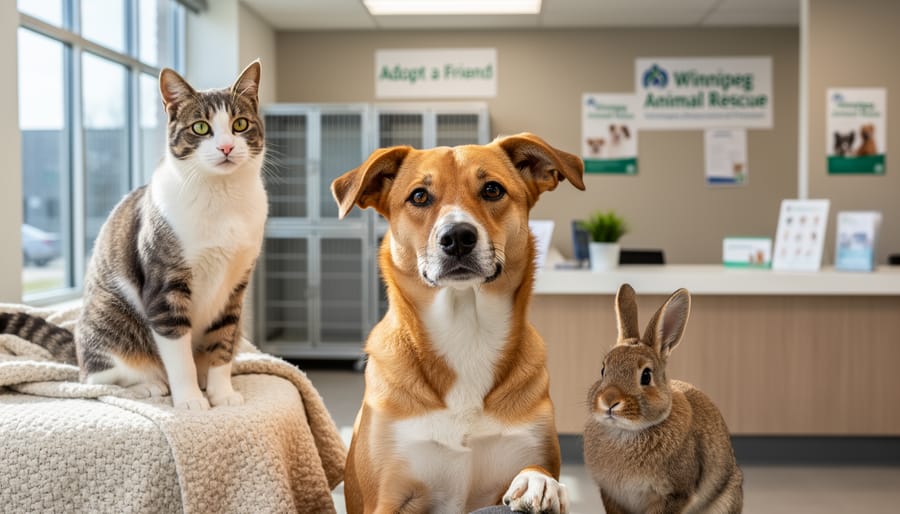
Winnipeg Pet Rescue stands apart as Manitoba’s first registered no-kill charity shelter, a distinction that reflects deep commitment to every animal that comes through its doors. This philosophy means no adoptable animal faces euthanasia due to time or space constraints. Every dog and cat gets the chance they deserve to find their forever home, no matter how long it takes.
That commitment extends beyond just keeping animals alive. The shelter provides comprehensive medical care, behavioral support, and socialization to ensure pets are truly ready for adoption. Animals recovering from illness, overcoming trauma, or simply needing extra time to blossom receive patient, individualized attention. This approach has helped countless pets who might have been overlooked elsewhere transform into beloved companions.
The registered charity status also matters for the community. It means transparent operations, accountability, and the ability to issue tax receipts for donations. Every dollar donated goes directly toward animal care, from veterinary treatments to food and shelter improvements. The shelter operates on the principle that saving lives requires both compassion and practical sustainability.
This model has inspired a broader movement across Winnipeg’s rescue community. More organizations are embracing foster-based care and refusing to give up on adoptable animals. The result is a network of rescue groups working together, sharing resources and best practices to maximize the number of lives saved. When one shelter reaches capacity, others step in. When specialized medical care is needed, the community rallies.
At 12-2727 Portage Avenue, visitors encounter not just a shelter but a community hub where animals receive second chances and people discover the joy of rescue adoption.
Finding Your Perfect Companion: The Adoption Journey
Preparing Your Home and Heart
Bringing a rescue pet home starts before you walk through the shelter door. Gather the essentials first: sturdy food and water bowls, quality pet food, a comfortable bed, appropriate toys, and safety items like leashes, collars with ID tags, or carriers. Consider your space too, create a quiet corner where your new companion can retreat when overwhelmed, especially during those crucial first days.
The emotional preparation matters just as much as the supplies. Rescue animals often arrive with unknown histories, and they’ll need time to decompress and trust again. Some adjust within days, while others take weeks or months to show their true personality. Expect accidents, possible anxiety behaviors, and a settling-in period where routines feel awkward for everyone.
Set realistic expectations by understanding that you’re not rescuing a broken animal, you’re giving a deserving pet the security they’ve been waiting for. They might test boundaries, need extra patience with training, or show quirks you didn’t anticipate. That’s normal. The reward comes in watching a hesitant dog finally wag their tail freely or a timid cat purr on your lap for the first time, knowing you made that transformation possible.
What Happens After You Apply
Once you’ve submitted your application to adopt a dog or cat from a Winnipeg rescue shelter, a coordinator will typically reach out within a few days to discuss your application. They’ll ask about your living situation, experience with pets, and daily routine, not to judge, but to understand what kind of companion would thrive in your home. A family with young children might be better suited to a calm, patient dog, while an active single person could be the perfect match for a high-energy pup who needs lots of exercise.
Many shelters arrange a meet-and-greet either at the foster home or at the shelter’s location on Portage Avenue. This gives you a chance to see how the animal interacts with your family and existing pets. The foster volunteers who’ve cared for these animals know their personalities inside and out, whether they’re cat-friendly, crate-trained, or prefer being the only pet. They’ll share honest insights about quirks and needs so you can make an informed decision.
If it’s a good match, you’ll complete the adoption paperwork and pay the adoption fee, which covers spaying or neutering, vaccinations, and often microchipping. The shelter wants the same thing you do: a forever home where both pet and family are happy for years to come.
How Foster-Based Rescue Works
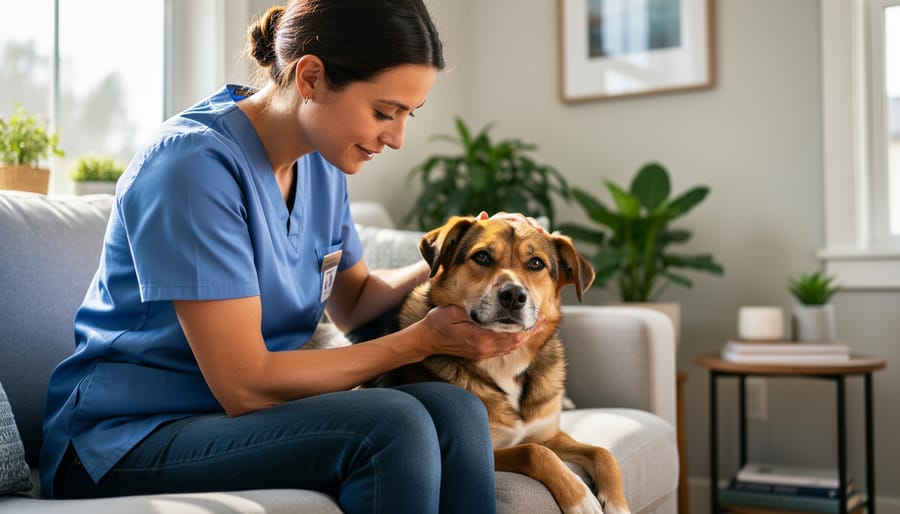
When you adopt from a rescue shelter, there’s often an invisible network of dedicated volunteers who made that moment possible. Foster-based rescue operates on a simple but powerful premise: animals heal, learn, and thrive best in home environments rather than kennels. Organizations like Lincoln Pet Volunteers rely entirely on foster families who open their doors to pets waiting for permanent placement.
A foster volunteer provides temporary care in their own home, giving an animal the time and space it needs to decompress from shelter stress or previous trauma. This model means every dog or cat lives in a real household with couches, routine mealtimes, and human interaction that mirrors what adoption will bring. Foster families observe how their temporary charges behave around children, react to doorbells, or handle being left alone, invaluable information that helps match the right pet with the right family.
There’s nothing quite like watching a scared, shut-down dog slowly come back to life in your living room, wagging their tail for the first time in weeks.
The benefits extend beyond emotional healing. Pets in foster care receive individualized attention that’s impossible in a shelter setting. A foster parent notices the subtle limp that needs a vet check, discovers that the “picky eater” just prefers wet food mixed in, or realizes the anxious pup settles beautifully with a crate and soft music. Programs like cat fostering show how this approach works particularly well for felines, who often struggle with the noise and confinement of traditional shelters.
Foster volunteers also serve as ambassadors during the adoption process, answering questions from their real experience living with the animal. They can honestly describe quirks, preferences, and personality traits that a brief shelter visit might not reveal. This transparency leads to better matches and fewer returns.
The commitment varies, some fosters care for animals for just weeks, while others provide longer-term homes for pets needing medical recovery or behavioral support. Either way, every foster placement directly saves a life by opening shelter space for the next animal in need.
Beyond Adoption: Support Services That Make a Difference
Adopting a rescue pet is just the beginning of the journey. Many Winnipeg shelters recognize that lasting success requires ongoing support, which is why they offer services designed to help both pets and their new families thrive together.
Training programs top the list of post-adoption resources. Dogs coming from rescue situations often need help learning basic commands, walking politely on leash, or adjusting to life in a home. Some organizations connect adopters with trainers who understand the unique needs of rescue animals, while others host group classes where new owners can learn alongside their pets. These programs address common challenges like housetraining, separation anxiety, or overexcitement, giving families the tools to build a strong foundation.
When life gets busy or travel plans arise, boarding services become essential. Foster-based rescues sometimes offer temporary care for adopted pets, ensuring they stay in familiar hands if their families need short-term help. These arrangements work particularly well for cats, and exploring cat boarding options can reveal solutions that keep your pet comfortable while you’re away.
Post-adoption check-ins make a real difference too. Many shelters follow up with new families during the first few weeks, answering questions and troubleshooting issues before they escalate. This ongoing contact helps prevent returns and builds confidence in first-time pet owners who might feel overwhelmed.
Some organizations also maintain resource networks, connecting adopters with affordable veterinary care, pet food assistance during financial hardship, or behavioral specialists when challenges arise. This comprehensive approach reflects a commitment that extends far beyond adoption day, ensuring rescue pets stay in their forever homes for good.
Ways to Connect with Winnipeg Pet Rescue
Connecting with Winnipeg Pet Rescue is straightforward, whether you’re ready to meet your future companion or want to learn more about supporting their mission. The shelter welcomes visitors during regular hours, and the team is always happy to answer questions about adoption, volunteering, or other ways to help.
| Contact Method | Details |
|---|---|
| Address | 12-2727 Portage Avenue, Winnipeg, Manitoba R3J 0R2 |
| Phone | 204-832-7387 |
| info@wpgpet.ca | |
| Hours | Weekdays: 11am-7pm | Weekends: 11am-6pm |
Visiting the shelter gives you a chance to meet the animals in person and get a feel for the environment where they receive care. The staff can walk you through the adoption process, discuss specific pets who might be a good match, and explain current volunteer needs. You don’t need an appointment to stop by during open hours, though calling ahead can be helpful if you have specific questions or want to inquire about a particular animal you’ve seen online.
Beyond in-person visits, reaching out by phone or email lets you start conversations about fostering opportunities, donation options, or upcoming ways to get involved. Every connection strengthens the community network that keeps this NO-KILL shelter running and helps more animals find their way home.
Making a Difference: Volunteer and Support Opportunities
Every rescue organization runs on heart, and that heart beats strongest in the volunteers who show up day after day. Whether you have a few hours each month or can commit to regular shifts, there’s a role that fits your schedule and skills. From walking dogs and socializing cats to helping with adoption events and administrative tasks, what volunteers do directly determines how many animals get the care they need while waiting for homes.
Fostering offers another powerful way to make a difference. Taking a rescue pet into your home temporarily provides crucial stability during their transition from shelter life to adoption. Fosters help animals decompress, work through behavioral challenges, and show their true personalities, making them more adoptable. Many foster families discover they’re saving lives without the permanent commitment, though some can’t resist becoming “foster fails” when they fall in love.
Financial support keeps rescue operations running. Donations cover veterinary care, food, supplies, and facility costs that mount quickly when caring for dozens of animals. Even small contributions add up when a community comes together. Some supporters sponsor specific animals, covering their medical expenses until adoption, while others prefer general donations that help wherever the need is greatest.
Spreading awareness costs nothing but creates real impact. Sharing adoptable pet profiles on social media, talking about rescue with friends, or simply correcting misconceptions about shelter animals helps change lives. Every share might connect a waiting pet with their perfect family. Visit Winnipeg Pet Rescue at 12-2727 Portage Avenue or call 204-832-7387 to learn how you can help.
Every animal deserves a loving home, and thanks to the dedication of organizations like Winnipeg Pet Rescue and the volunteers who power this movement, hundreds of pets find their second chance each year. These shelters don’t just rescue animals, they transform lives on both ends of the leash, creating bonds that bring joy, companionship, and purpose to families across Manitoba.
Whether you’re ready to welcome a new furry friend into your home, can spare a few hours to volunteer, or simply want to share adoption posts with your network, your involvement matters. Each action ripples outward, creating space for one more animal to be saved and one more family to experience the unconditional love that rescue pets offer so freely.
Visit Winnipeg Pet Rescue at 12-2727 Portage Avenue, call 204-832-7387, or email info@wpgpet.ca to learn how you can be part of this life-changing work. The next chapter of your story, and a deserving animal’s, might just begin with that first step.