
Temporary cat fostering means opening your home to a cat or kitten for a short period, typically ranging from a few days to several months, until the animal is ready for adoption or reunited with its owner. Unlike adoption, fostering is a flexible commitment that gives you the chance to save a life without the lifelong responsibility. You’ll provide food, shelter, socialization, and love, while the rescue organization covers veterinary care and supplies. It’s perfect for anyone who wants to help animals but isn’t ready for permanent pet ownership, or for existing pet owners looking to make a difference without adding to their family long-term.
The need for foster homes has never been greater. Shelters across the country are stretched thin, and foster volunteers create critical space that allows rescues to save more lives. Kittens too young for adoption need bottle-feeding and round-the-clock care. Adult cats recovering from illness or surgery need a quiet place to heal. Shy or fearful cats need patient humans to help them blossom into confident, adoptable companions. That’s what volunteers do every day, and the impact is profound.
Maybe you’ve wondered if fostering is right for you. Can you handle the emotional goodbye when your foster cat gets adopted? What if you already have pets? What’s actually involved day-to-day? These are smart questions, and this guide will walk you through everything you need to know to foster with confidence and joy.
What Temporary Cat Fostering Really Means
Temporary cat fostering is exactly what it sounds like: opening your home to a cat for a short period, usually ranging from a few weeks to a couple of months. Unlike long-term fostering (which can stretch for six months or more) or adoption (which is permanent), temporary fostering has a defined endpoint. You’re providing a safe, comfortable space for a cat who needs it right now, knowing that your commitment has a finish line.
The beauty of temporary fostering lies in its flexibility and the variety of situations it addresses. Some cats arrive fresh from medical procedures, needing a quiet place to heal after spay/neuter surgery or dental work. Others are young kittens who require round-the-clock bottle feeding and socialization before they’re ready for adoption. Then there are the overflow situations: when Lincoln Pet Volunteers rescues more cats than the shelter can immediately house, temporary fosters become lifesavers, literally creating the space needed to say yes to another animal.
You might also foster a shy or scared cat who needs time in a calm home environment to come out of her shell and show her true personality to potential adopters. Or perhaps a mom cat and her litter, who need a peaceful setting away from shelter stress while the kittens grow.
What makes it “temporary” isn’t just the timeline. It’s the understanding from day one that you’re a bridge, not a destination. Your foster cat has somewhere to go next, whether that’s an adoption event, another foster home, or her forever family. That clarity can actually make the experience easier for many people who love cats but worry about the emotional toll of letting go.
Why Cats Need Temporary Foster Homes
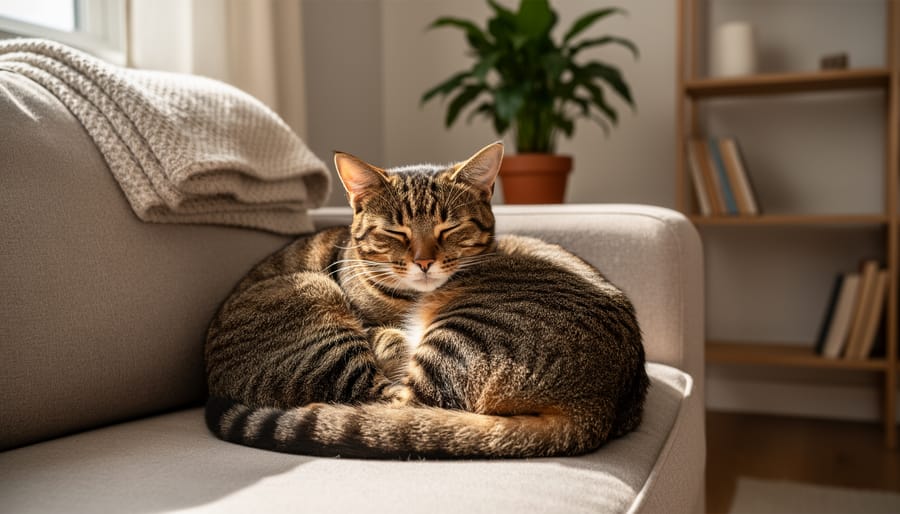
Shelters operate at capacity more often than most people realize. When intake exceeds available kennels, cats end up in cramped quarters where illness spreads rapidly and stress levels soar. A single case of upper respiratory infection can sweep through an overcrowded shelter within days. Temporary foster homes break this cycle by moving vulnerable cats into quiet, calm environments where they can recover and thrive.
Young kittens face particularly urgent needs. Bottle babies, kittens under four weeks old, require feeding every two to four hours around the clock, a level of care that shelter staff simply can’t provide while managing dozens of other animals. Without a foster home, these tiny lives are at serious risk. Similarly, kittens in the critical socialization window need consistent human interaction to become confident, adoptable cats. A foster home transforms a shy, fearful kitten into a purring companion ready for a forever family.
Medical recovery presents another critical gap. After spay or neuter surgery, cats need a quiet space to heal without the chaos of a shelter environment. Senior cats recovering from dental procedures, cats treated for infections, or those bouncing back from minor injuries all heal faster and with less stress in a foster setting. What might take two weeks in a shelter often resolves in days when a cat has a cozy room and attentive care.
Then there’s the invisible toll of shelter life itself. Some cats shut down completely in kennels, they stop eating, hide constantly, and develop stress-related illnesses that make them unadoptable. Move that same cat into a foster home, and within days you’ll see personality emerge. They start playing, seeking affection, showing the quirks that help adopters fall in love.
Every cat you foster opens a kennel for another cat waiting in the wings. That’s not abstract impact, it’s a direct lifeline for the next cat who needs help.
The Temporary Fostering Process: What to Expect
Getting Started: Application and Approval
Starting your fostering journey with Lincoln Pet Volunteers is straightforward and supportive. The application asks about your living situation, experience with cats, availability, and any current pets. It takes about ten minutes to complete online, and staff review it within three to five business days.
Once your application is approved, a volunteer coordinator schedules a brief home visit, not an inspection, but a friendly conversation to ensure your space is safe for fostering and to answer your questions. They’ll check basics like secure windows and identify a quiet room where your foster cat can settle in. Most visits last thirty minutes.
The entire process typically wraps up within two weeks, sometimes faster if you’re available for a quick home visit. Lincoln Pet Volunteers views this as a partnership, not a test. The team wants you to feel confident and prepared, so they’ll walk you through supplies, emergency protocols, and what kind of foster cat might suit your situation best. You’re building a relationship with people who genuinely appreciate what you’re about to do.
Bringing Your Foster Cat Home
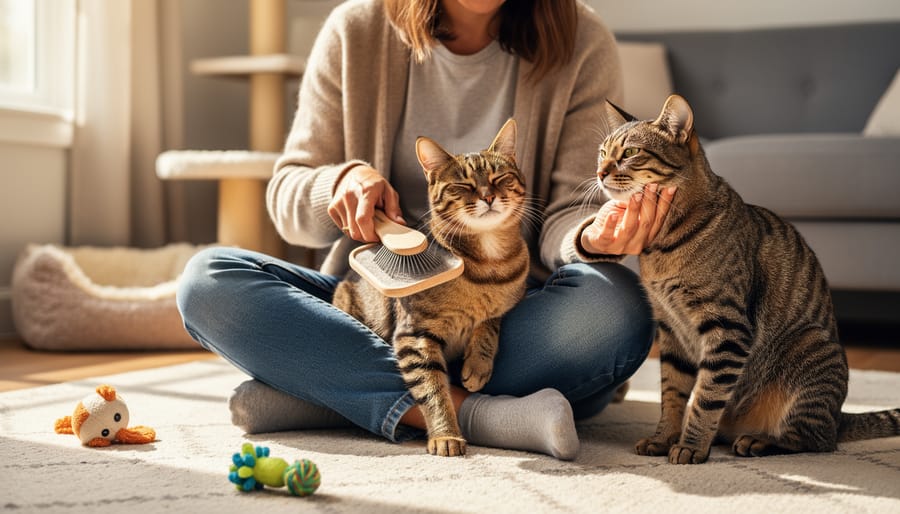
The first 24 hours set the tone for your foster cat’s entire stay. Lincoln Pet Volunteers provides everything you need before arrival: food, bowls, a litter box, toys, and any necessary medications. You’ll also receive a welcome packet with your cat’s medical history, personality notes, and a direct contact for questions, day or night.
Set up a quiet room where your foster can decompress away from household activity. Place the litter box in one corner and food in the opposite corner. Many cats hide initially; resist the urge to coax them out. Let them explore on their own schedule, which might take hours or several days.
Your coordinator will check in within 48 hours and remains available throughout the foster period. If you’re new to cat care, they can share practical litter box tips and behavior guidance. Medical concerns? Lincoln Pet Volunteers covers all veterinary care, you simply transport and communicate.
This support network means you’re never fostering alone, even when your temporary roommate is still warming up to you.
When It’s Time to Say Goodbye
Saying goodbye is bittersweet, but it’s also a victory, your foster cat is moving toward a forever family or the next stage in their adoption process. Many fosters find comfort in staying connected through adoption updates or photos. The empty space in your home means you’ve made room for another life to save, turning heartache into hope and proof that temporary love creates lasting change.
What You’ll Need (And What We Provide)
Fostering a cat doesn’t mean emptying your wallet or transforming your home. Lincoln Pet Volunteers covers the essentials so you can focus on providing love and a safe space.
What We Provide
We supply food, litter, and any medications your foster cat needs. Veterinary care, including checkups, vaccinations, spay/neuter surgeries, and emergency treatment, is handled and paid for by us. You’ll also receive basic supplies like bowls, a carrier, and toys to get started. If your foster requires special equipment, such as a kitten incubator or recovery crate, we provide that too.
Our foster coordinators are available for questions, troubleshooting behavior issues, or connecting you with veterinary support. You’re never navigating challenges alone.
What You Provide
Your main contribution is time, space, and care. Daily responsibilities include feeding, refreshing water, scooping litter, and spending time socializing your foster. Kittens and cats recovering from surgery need more attention, bottle-feeding every few hours for neonatal kittens, or monitoring healing incisions for post-op adults. Healthy adult fosters generally require less intensive care.
You’ll need a quiet room or area where your foster can acclimate, especially if you have other pets. Many fosters use a spare bedroom, bathroom, or large closet initially.
Optional Extras
Some fosters enjoy purchasing additional toys, cozy beds, or special treats. These gestures are appreciated but never required. If you prefer to contribute your own supplies, we welcome it, but we never expect it.
The biggest investment is emotional. Temporary fostering asks for your heart, knowing you’ll eventually let go. Everything else, we handle together.
Common Questions About Temporary Cat Fostering
I hear these questions all the time from people considering fostering, and they’re completely normal. Let’s walk through the most common concerns so you can make an informed decision.
Can I foster if I already have pets at home?
Yes, many successful foster families have resident pets. We’ll discuss your current animals during the application process and match you with a foster cat whose temperament fits your household. You’ll keep your foster cat separated initially, and we provide guidance on safe introductions if needed.
What if I fall in love with my foster cat?
It happens, and it’s wonderful when it does. Many foster families become “foster failures” and adopt their temporary guests. Just let us know, and we’ll help you transition from foster to adoption.
What if my foster cat gets sick or injured?
Lincoln Pet Volunteers covers all medical care for your foster cat. Contact us immediately if you notice any health concerns, and we’ll arrange veterinary care at no cost to you.
How much time does temporary fostering really take?
Most adult cats need 15-30 minutes of active care daily for feeding, litter maintenance, and interaction. Kittens and cats with medical needs require more time, but we match placements to your availability and experience level.
Another question I frequently hear: “What if fostering doesn’t work out?” Life happens. If an unexpected situation arises, we work with you to find a solution, whether that means adjusting the placement or transitioning the cat to another foster home. You’re never trapped in a commitment that’s become unmanageable.
Some potential fosters worry they don’t know enough about cat care. Here’s the truth: you don’t need to be an expert. We provide training, detailed care instructions for your specific foster cat, and a support team available by phone or email whenever questions pop up. First-time fosters succeed all the time because they’re backed by our experience and resources.
The biggest misconception? That fostering requires a perfect home or endless free time. Real foster homes are apartments with working professionals, houses with kids and dogs, quiet spaces with retirees. What matters is a safe room, genuine care, and regular communication with our team. If you can provide that, you’re qualified to save a life.
The Ripple Effect: How Your Temporary Home Changes Lives
When you open your home to a foster cat, you’re not just helping one animal, you’re setting a chain of compassion in motion that touches lives you’ll never meet.
Every foster placement creates immediate space at Lincoln Pet Volunteers for another cat in crisis. That kennel you freed? It might house a pregnant stray found wandering in freezing temperatures, or an older cat surrendered when their owner passed away. Your temporary commitment literally saves the next cat waiting for help.
The transformation happens quickly. Cats who arrived shut down and terrified blossom in a quiet foster home. They learn that hands mean gentle pets, not stress. They discover their playful side. When potential adopters meet a confident, affectionate cat instead of a trembling shelter resident, adoptions happen faster, which means more lives saved.
Meet Sarah, who fostered Luna, a timid calico recovering from dental surgery. “I thought I was just providing a recovery space,” Sarah says. “But watching Luna go from hiding under the bed to purring in my lap, then seeing her adoption photos with her new family, I realized I’d been part of something bigger.” Luna’s adoption freed Sarah to foster again. She’s now helped twelve cats find their way home.
The numbers tell the story too. Foster-based programs rescue 30 to 50 percent more animals than shelter-only operations. Your spare bedroom becomes a lifeline, multiplying hope one placement at a time.
Temporary cat fostering isn’t about having endless space or resources, it’s about opening your heart for a season and trusting that your care matters. Every week you spend comforting a scared kitten, every post-surgery recovery you guide, every overcrowded day you ease by taking one cat home creates a ripple that extends far beyond your living room. You’re not just helping one cat; you’re freeing shelter space for another rescue, giving staff breathing room to focus on medical cases, and proving to a frightened animal that humans can be kind.
If you’ve read this far, you’re already considering it. That’s the first step. Lincoln Pet Volunteers is here to support you through every stage, from your first questions to the bittersweet goodbye when your foster finds their forever family. Short-term fostering fits into real lives with real schedules, and our commitment guide can help you explore what feels right for you. Reach out today. A cat is waiting for the temporary home that will change their life forever.